
Mutation: Types, Causes, Impacts and Evolution
What mutations are, how they arise and are repaired, mutagens and carcinogens, positive, negative and neutral impacts, and the role of mutation in evolution.
🎯 By the end of this lesson
- Define mutation and distinguish somatic from germline mutations.
- Classify substitution, insertion and deletion mutations and predict their effects on a protein.
- Explain why a frameshift usually has a greater effect than a substitution.
- Describe how cells repair DNA and why xeroderma pigmentosum increases cancer risk.
- Define mutagen and carcinogen and give examples of each.
- Explain how a mutation can be positive, negative or neutral depending on context.
- Explain how mutation provides the raw material for evolution.
- Correct common misconceptions about mutation.
1Overview
Every time a cell divides, its entire genome must be copied. A copying job that long will occasionally make errors, and the environment adds damage on top. A change in DNA is called a mutation. Mutations have a bad reputation, from cancer to science-fiction villains, but they are also the original source of every new allele and, over long periods, of the diversity of life. This lesson covers the official content on mutation: its positive, negative and neutral impacts, mutagens and carcinogens, and its role in evolution.
2What a mutation is
A mutation (also called a gene variant or DNA variant) is a permanent change in the DNA sequence of an organism. It can involve one nucleotide or many, and it can affect a single gene or whole chromosomes. Mutations arise in several ways:
- Copying errors. DNA polymerase occasionally inserts the wrong base during replication.
- Damage from mutagens. Chemicals and radiation can damage DNA directly.
- Viral infection can also alter DNA.
Mutations that arise from the normal chemistry inside cells are called spontaneous, and those caused by agents such as chemicals, ultraviolet (UV) light or X-rays are called induced.
Somatic and germline mutations
Where a mutation occurs determines who it affects. Somatic mutations occur in body cells such as skin or muscle. They are not passed to offspring and affect only the cell and its descendants. Germline mutations occur in eggs and sperm (or the cells that make them). They can be passed to offspring and appear in every cell of the resulting person. A change that is new in a child and absent from both parents is called a de novo variant.
A mutation changes the DNA sequence. Whether it matters depends on where it happens (in which gene, in which type of cell) and on what the change does to the protein. Most changes have little or no effect on health, and only the ones in germline cells can be inherited.
3Types of mutations
Changes to a single base or a few bases
| Type | What happens | Typical effect on the protein |
|---|---|---|
| Substitution | One nucleotide replaced by another | Depends on the kind (below) |
| Silent | Changed codon still codes for the same amino acid | No change |
| Missense | Changed codon codes for a different amino acid | One amino acid is changed; function may or may not be altered |
| Nonsense | Changed codon becomes a premature stop signal | Shortened protein that may not work or may be broken down |
| Insertion | One or more nucleotides added | Protein may not function properly |
| Deletion | One or more nucleotides removed | Function may be altered; large deletions can remove whole genes |
| Duplication | A stretch of DNA is copied and repeated | Function may be altered |
| Inversion | A stretch of nucleotides is reversed in order | Depends on location |
| Repeat expansion | A short repeated sequence increases in copy number | Can cause improper protein function |
The frameshift deserves special attention. The ribosome reads mRNA in groups of three, so adding or losing one or two nucleotides (an insertion or deletion that is not a multiple of three) shifts the reading frame of every codon after that point. Downstream amino acids change, and the protein is usually nonfunctional. An analogy: a sentence made only of three-letter words, THE CAT SAW THE DOG, makes sense when read in groups of three. Deleting the first letter gives HEC ATS AWT HED OG, which is gibberish.
The original mRNA reads AUG-CCU-AAG-UUC, which codes for methionine, proline, lysine and phenylalanine. If the third codon changes from AAG to AAU (a substitution), lysine is replaced by asparagine, a missense mutation. If it changes from AAG to UAG, translation stops after two amino acids, a nonsense mutation. If a G is inserted after AUG, the codons become AUG-GCC-UAA-GUU, which codes for methionine, alanine and then a stop: a frameshift that destroys most of the protein.
Changes to whole chromosomes
Mutations can also affect chromosome number or structure. Nondisjunction during meiosis produces gametes with an extra or missing chromosome, as in Down syndrome (trisomy 21), covered in the first lesson. Pieces of chromosomes can also be lost, repeated, inverted or moved to another chromosome (translocation).
4Repairing DNA
Cells are not passive victims of copying errors. Several systems detect and fix damage:
- Proofreading. As DNA polymerase adds each base, it checks the match and removes mismatched bases.
- Mismatch repair. After replication, repair enzymes find remaining errors, remove the incorrect section of the new strand and resynthesize it correctly.
- Excision repair. Damaged bases, such as the abnormal links between neighbouring thymine bases (thymine dimers) caused by UV light, are cut out. DNA polymerase fills the gap and DNA ligase seals it.
Because of these systems, many potential mutations never become permanent. When repair fails, the consequences can be serious. People with xeroderma pigmentosum have a defect in excision repair, so UV damage is not fixed, their skin is extremely sensitive to UV light, and the risk of skin cancer is higher. Mutations in repair genes are linked to cancers such as pancreatic and colorectal cancer.
5Mutagens and carcinogens
A mutagen is an agent that increases the rate of mutation. Mutagens include ultraviolet radiation, ionizing radiation such as X-rays, and many chemicals. A carcinogen is a substance or exposure that can cause cancer. The two groups overlap because cancer is caused by changes in genes that alter how cells function, and many carcinogens act by damaging DNA.
The National Toxicology Program’s list of known human carcinogens includes substances such as asbestos, benzene, formaldehyde, radon, aflatoxins, arsenic and cadmium. Chemicals in tobacco smoke, secondhand smoke and ultraviolet radiation from the sun are also identified as cancer-causing exposures.
Cancer is not simply the result of one exposure. Some cancer-causing changes occur naturally when cells divide, and others result from environmental exposures. Being exposed to a carcinogen does not guarantee that cancer will develop: the dose, the duration of exposure, and a person’s genetic background all influence the risk. This is why reducing exposure (sun protection, avoiding tobacco smoke, radon testing) lowers risk without eliminating it.
Sunburn is visible evidence of DNA damage from UV light. Skin cells repair most of it, but repeated damage increases the chance that a skin cell acquires mutations in genes controlling cell division. These are somatic mutations: they can cause skin cancer in the person who has them, but they are not passed on to children.
6Positive, negative and neutral impacts
Mutations are often described by their effect on the organism. These categories depend on the environment as much as on the DNA.
Negative (harmful) mutations
Mutations that reduce or destroy the function of an essential protein can cause disease. Variants in the PAH gene lead to PKU, and variants in the HBB gene lead to sickle cell disease. Cystic fibrosis, hemophilia and many other inherited conditions arise from mutations that were present in earlier generations. Somatic mutations that disable the control of cell division can cause cancer.
Neutral mutations
Most variants do not cause disease. Many have no effect at all: they may be silent substitutions, lie in regions that do not code for protein, or change an amino acid in a way that does not alter function. The code is redundant, which cushions the effect of many substitutions. Common variation that is simply a normal difference among people includes eye colour, hair colour and blood type.
Positive (beneficial) mutations
Beneficial mutations are uncommon, and they are not dramatic. A mutation is beneficial only if it improves survival or reproduction in a particular environment. A clear example comes from bacteria. Germs can change so that they resist antibiotics, and the genes that determine resistance are encoded in DNA. When antibiotics are used, susceptible germs die and resistant ones survive, multiply and spread. The mutation that is beneficial to the bacterium is harmful to a patient being treated. The same change that helps in one environment is neutral or even costly in another.
Mutations do not appear because an organism “needs” them. Bacteria do not mutate in order to resist an antibiotic; a few cells happen to carry resistance already, and the antibiotic selects them. Mutations are also never so beneficial that they produce superhero-like traits, and most have little or no effect.
7Mutation and evolution
Without mutation there would be no new alleles. Mutation is the ultimate source of new alleles, and sexual reproduction then creates new combinations of alleles. Natural selection can only act on variation that already exists in a population, so mutation supplies the raw material on which selection works.
For evolution to occur, the mutation must be in the germline, because only those mutations can pass to the next generation. If the mutation is beneficial, individuals that carry it tend to leave more offspring, and over generations the allele becomes more common in the population. If it is harmful, selection tends to remove it. If it is neutral, its fate depends largely on chance. Over many generations and many mutations, populations can become different from their ancestors, and eventually different species can arise, which later lessons explain.
Evolution through mutation is slow in the sense that any single mutation is rare, but it is fast in the sense that populations are enormous. Bacteria, which reproduce quickly and in vast numbers, show this clearly, as in the spread of antibiotic resistance. A reminder of the connection between mutation and natural selection is found in What is natural selection?.
For illustration, suppose a population of bacteria contains one cell in a million with a mutation that makes an enzyme destroying a particular antibiotic. In an infection of one billion cells, about one thousand cells would therefore already carry resistance before treatment began. When the antibiotic is applied, the other cells die. The resistant cells multiply, and the next generation of bacteria is almost entirely resistant. The mutation was not caused by the drug; the drug acted as a selection pressure.
The next lessons follow this idea: how selection acts on variation in nature (natural selection), and how people direct it deliberately (artificial selection). The ethical and practical issues raised by humans now being able to change DNA directly are the subject of the final lessons. More background on the molecule is in What is DNA?.
8Practice problems with solutions
Problem 1: classify the mutation
The original mRNA codons are GAA-CCU-UUC (glutamic acid, proline, phenylalanine). Classify each change. (a) GAA to GAG: glutamic acid is still coded, so it is silent. (b) CCU to CAU: histidine replaces proline, so it is missense. (c) UUC to UAA: a stop codon appears, so it is nonsense. (d) Deleting the first G gives AAC-CUU-UC, shifting the frame, so it is a frameshift, which changes every later amino acid.
Problem 2: decide who is affected
A skin cell in an adult acquires a mutation after sun exposure. Will the person’s children inherit it? No. This is a somatic mutation, which affects that cell and its descendants only. A mutation in a developing egg would be germline and could be inherited.
Problem 3: judging impact
A mutation in an intron of a gene changes one base, and the protein sequence is unchanged. It is probably neutral. A mutation in the same gene that creates an early stop codon may be harmful, because a shortened protein often does not work.
Summary
- Mutations arise from copying errors and from mutagens, and repair systems fix many of them.
- Effects can be harmful, neutral or (rarely) beneficial, and benefit depends on the environment.
- Mutation is the ultimate source of new alleles, so it is the raw material for evolution.
🔑Key terms
?Quick check
Try each question first, then reveal the answer.
1. Distinguish a somatic mutation from a germline mutation, and say which can be inherited.
A somatic mutation occurs in a body cell and affects only that cell and its descendants, so it is not inherited. A germline mutation occurs in egg or sperm cells and can be passed to offspring.
2. The mRNA codon CCU (proline) mutates to CCC. What kind of mutation is this, and why?
This is a silent mutation, because CCC also codes for proline and the protein is unchanged. The genetic code is redundant.
3. Why does the deletion of a single base usually cause a greater change to a protein than a single-base substitution?
A deletion shifts the reading frame, so every codon after the deletion is read differently and many amino acids change. A substitution usually changes at most one amino acid.
4. Describe two ways that cells reduce the number of mutations that persist.
DNA polymerase proofreads and removes mismatched bases during copying, and repair systems such as mismatch repair and excision repair fix errors and damage, including UV damage, after copying.
5. Explain the difference between a mutagen and a carcinogen, and give one example that could be both.
A mutagen increases the mutation rate, while a carcinogen causes cancer. Ultraviolet radiation damages DNA and is also a cancer-causing exposure, so it is both.
6. A smoker develops lung cancer. Does this show that smoking causes cancer in every smoker? Explain.
No. Chemicals in tobacco smoke are cancer-causing exposures, but risk depends on dose, duration of exposure and genetic background, so exposure raises risk without guaranteeing cancer.
7. Explain how a mutation can be beneficial for bacteria but harmful for a patient.
A mutation that gives resistance to an antibiotic lets the bacteria survive and multiply in the presence of the drug, which helps the bacteria but makes the infection harder to treat.
8. Why are germline mutations, not somatic ones, important for evolution?
Only germline mutations are passed to offspring. They create new alleles in a population, and natural selection can then act on them over generations.
BC curriculum content covered in this lesson
- Mutation: positive, negative, and neutral impacts
- Mutation: mutagens and carcinogens
- Mutation: its impact on evolution
Related articles
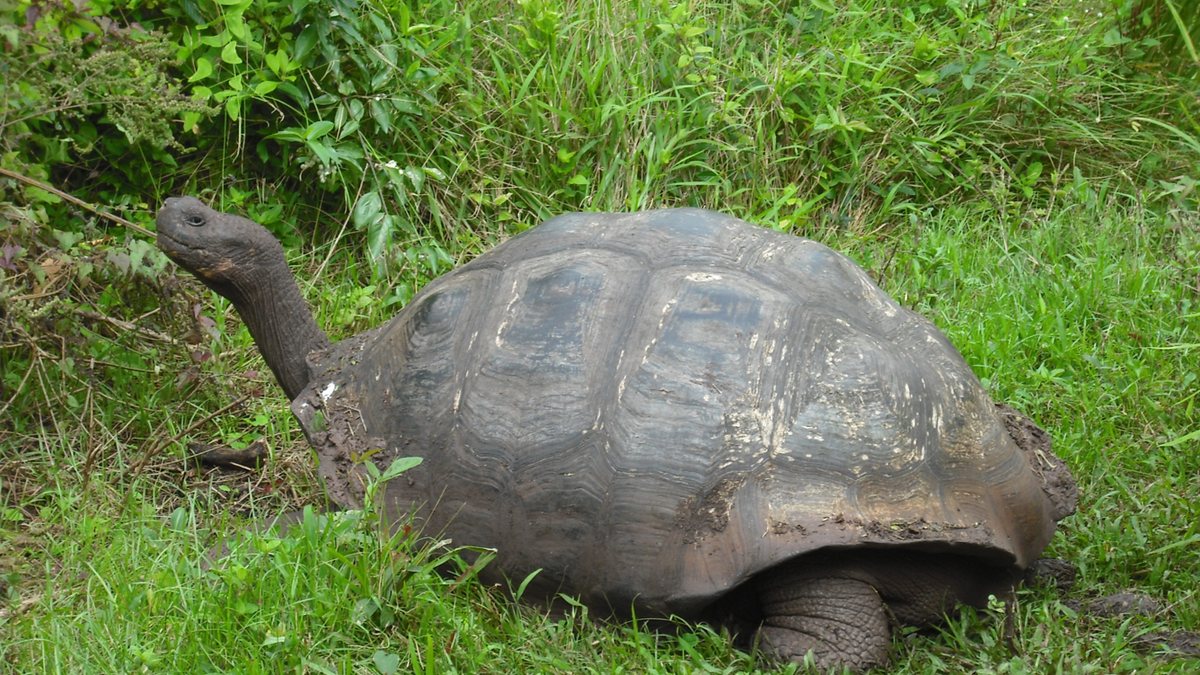
Survival of the Fittest? What Natural Selection Really Says
Natural selection is one of the basic mechanisms of evolution, and it is often misunderstood. Three sources explain what it needs, how it works and what it does not mean.
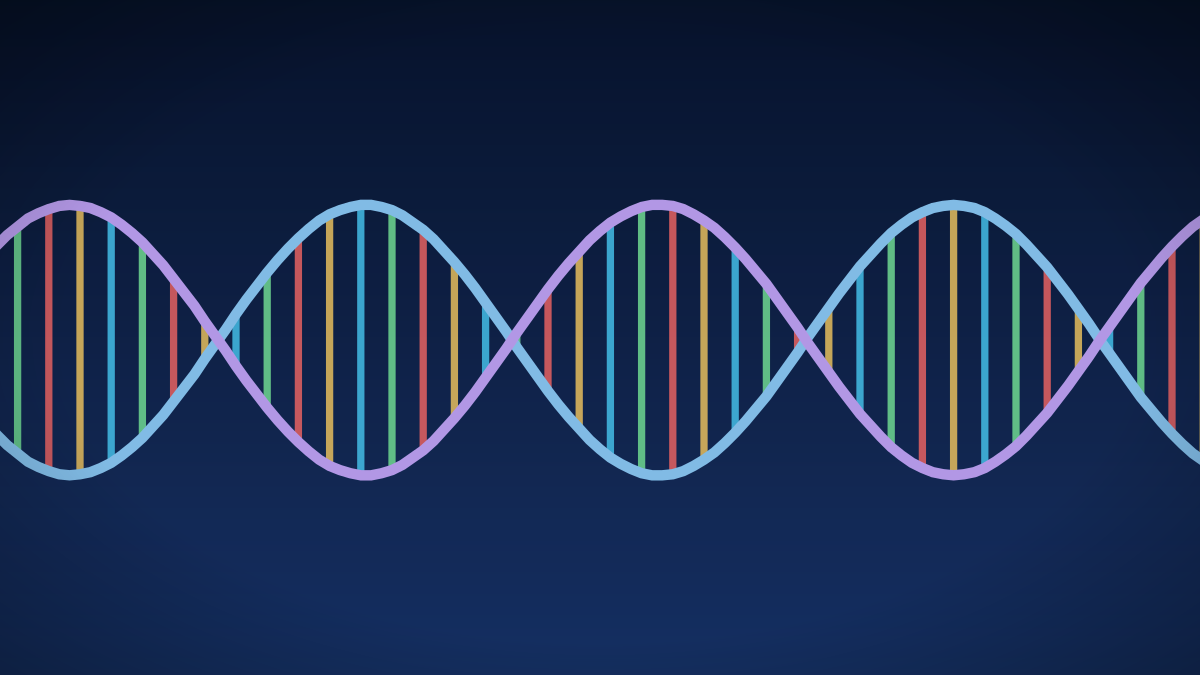
What Is DNA? The Molecule That Carries Your Instructions
DNA is the molecule that carries genetic information. A short guide to its structure and how its letters pair.
References
- BC Ministry of Education and Child Care. Science 10 (curriculum, Content and Elaborations). Accessed October 7, 2026.
- NHGRI. Mutation (Talking Glossary). Accessed October 7, 2026.
- MedlinePlus (NIH). What is a gene variant and how do variants occur?. Accessed October 7, 2026.
- MedlinePlus (NIH). What kinds of gene variants are possible?. Accessed October 7, 2026.
- OpenStax. Biology 2e, 14.6 DNA Repair. Accessed October 7, 2026.
- OpenStax. Biology 2e, 15.1 The Genetic Code. Accessed October 7, 2026.
- National Cancer Institute. Substances and exposures. Accessed October 7, 2026.
- CDC. About antimicrobial resistance. Accessed October 7, 2026.
- OpenStax. Biology 2e, 18.1 Understanding Evolution. Accessed October 7, 2026.
- OpenStax. Biology 2e, 19.3 Adaptive Evolution. Accessed October 7, 2026.
- MedlinePlus (NIH). Phenylketonuria. Accessed October 7, 2026.
- MedlinePlus (NIH). Sickle cell disease. Accessed October 7, 2026.
These lessons follow the content areas listed in the British Columbia curriculum. They are study material written for this site and are not an official document. The official curriculum is the authority on what each course requires. Lessons are general education, not medical advice.