
Cells
Articles in this section
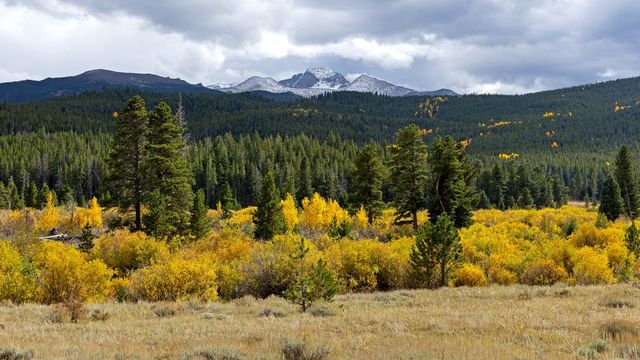
Why Leaves Change Color in Autumn: The Hidden Pigments Behind Fall Foliage
Leaves turn gold, orange, red and purple because the green pigment chlorophyll fades and other pigments show. Which pigments, and why each autumn looks different.
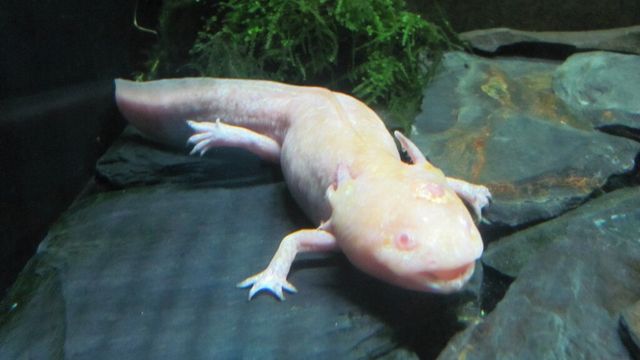
How Axolotls Regrow Limbs, and What Humans Can and Cannot Regrow
Axolotls can rebuild entire limbs, a heart and other organs throughout life. Their method uses a mass of stem-cell-like cells called a blastema, while human limb injuries heal with scar tissue.
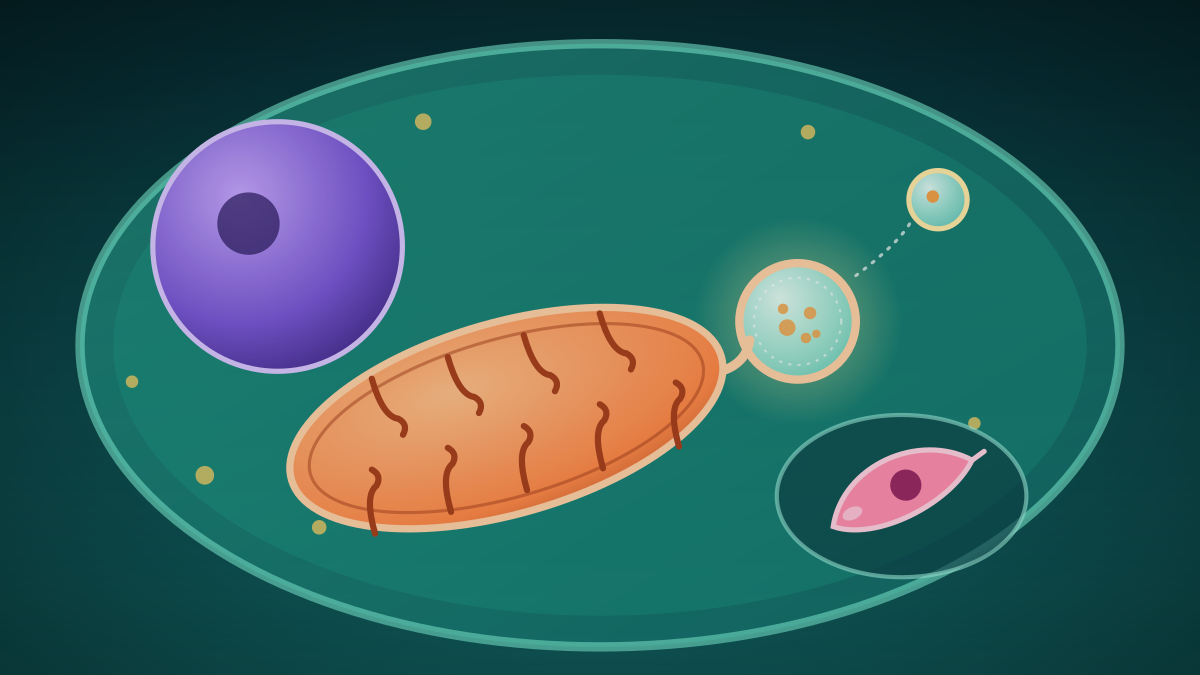
Mitochondria Reported to Shed Membrane to Form New Compartments During Parasite Infection
A 2026 preprint from a UCLA lab reports that infected human cells use mitochondrial membrane to build a new organelle, a result covered by Nature but not yet confirmed by peer review.
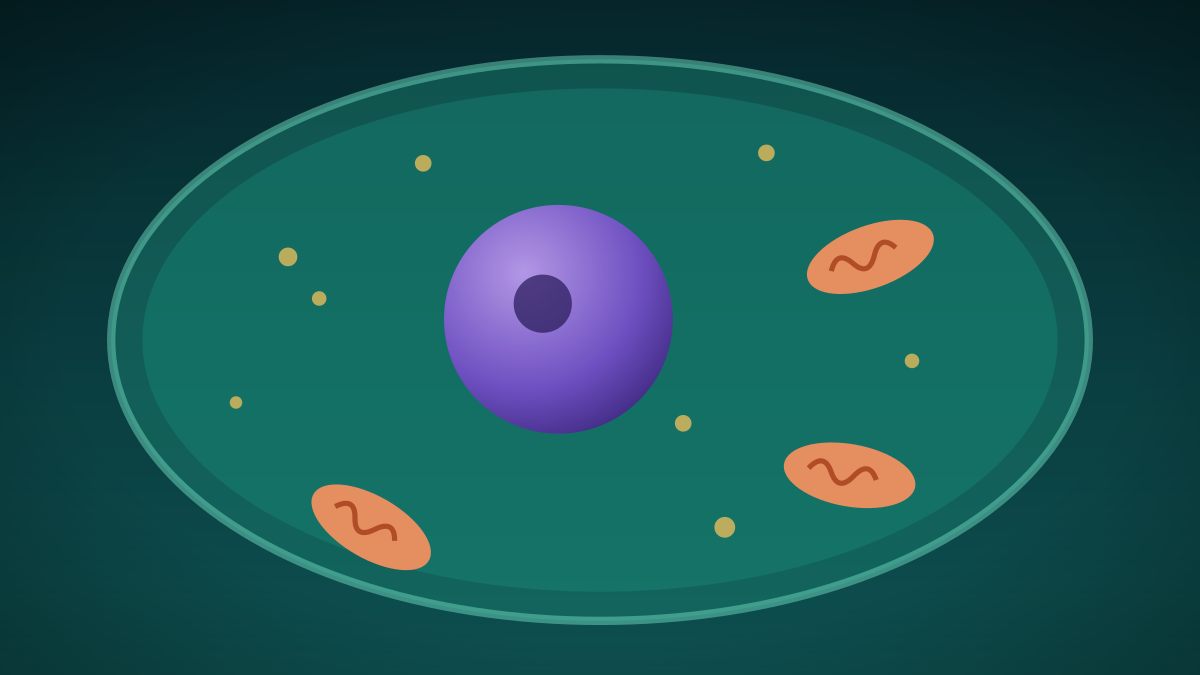
Trillions Strong: Inside the Cell, the Smallest Unit of Life
Every living thing is made of cells, from lone bacteria to the trillions in a human body. A look at the two main cell types and the tiny structures inside them.
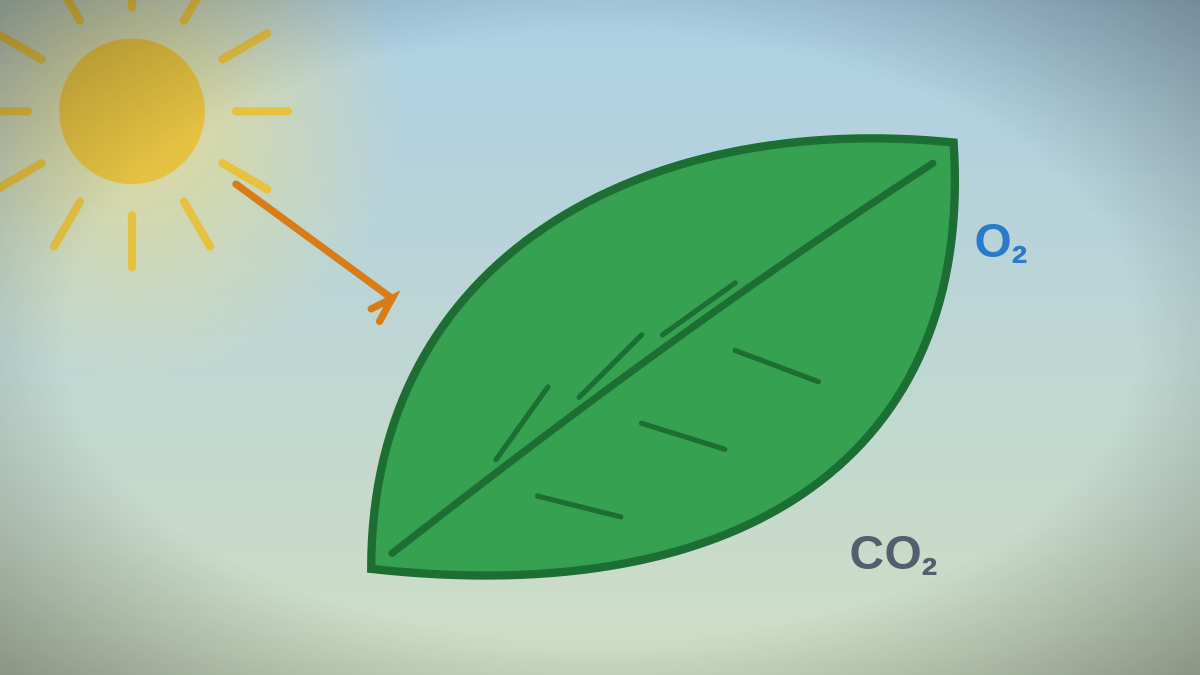
How Photosynthesis Turns Sunlight Into Sugar, Step by Step
Photosynthesis is a two-stage chemical process in chloroplasts that converts light, water and carbon dioxide into sugar and oxygen. Textbooks and ocean scientists explain how it feeds nearly all life.