
Health science
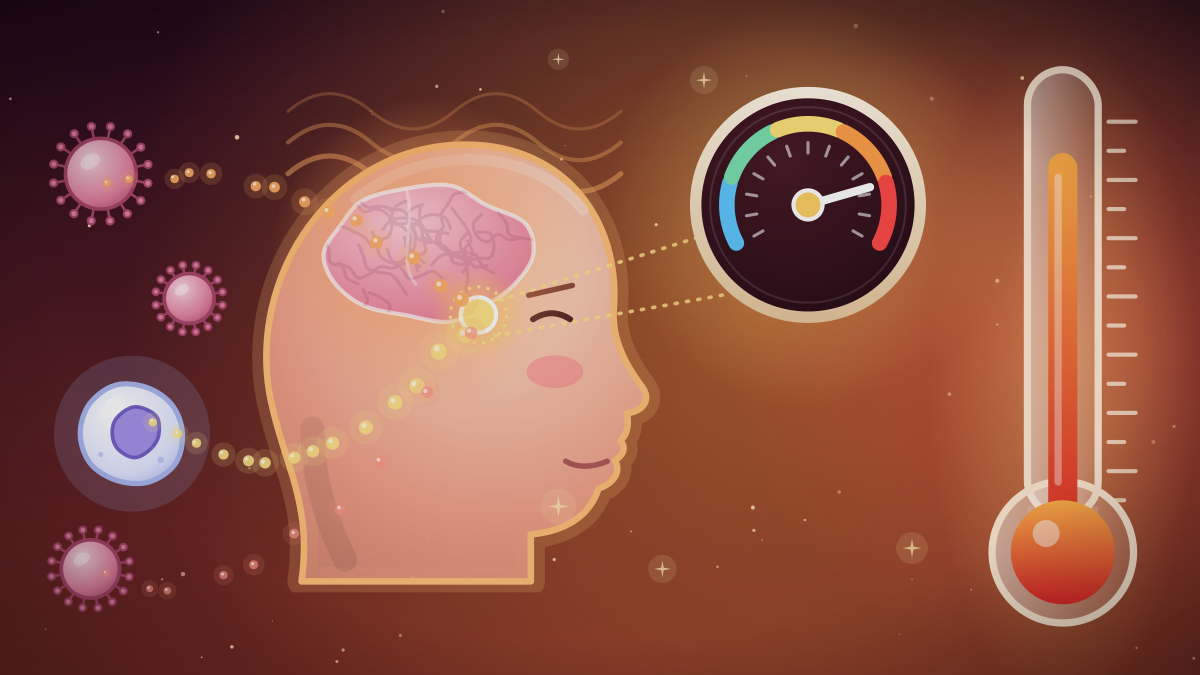
Why Does the Body Get a Fever?
A fever is a raised hypothalamic set point triggered by pyrogens, usually during infection. Health sources describe its mechanism, benefits, how it is graded and when care is advised.
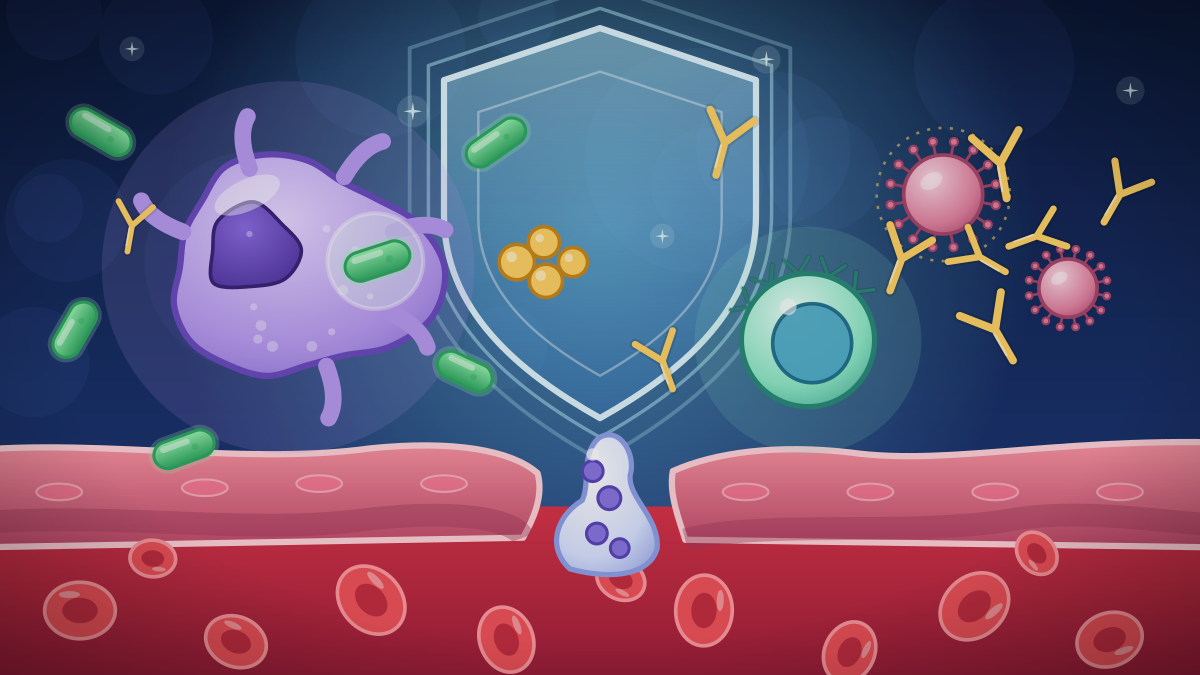
How Does the Immune System Work?
The immune system has a fast, general innate layer and a slower, specific adaptive layer with memory. Barriers, white blood cells, antibodies, organs and what happens when it misfires.
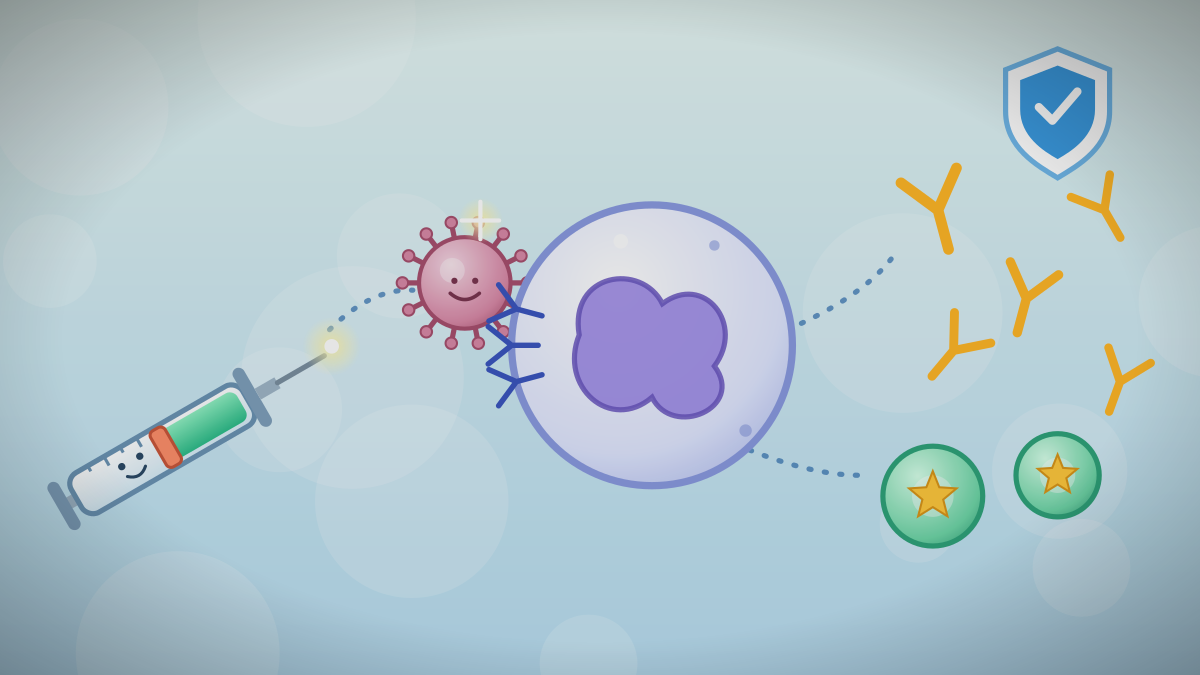
Training the Immune System: How Vaccines Work
Vaccines let the immune system practice against a germ without a real infection. Health agencies describe the antigen, the antibodies and the memory that results.
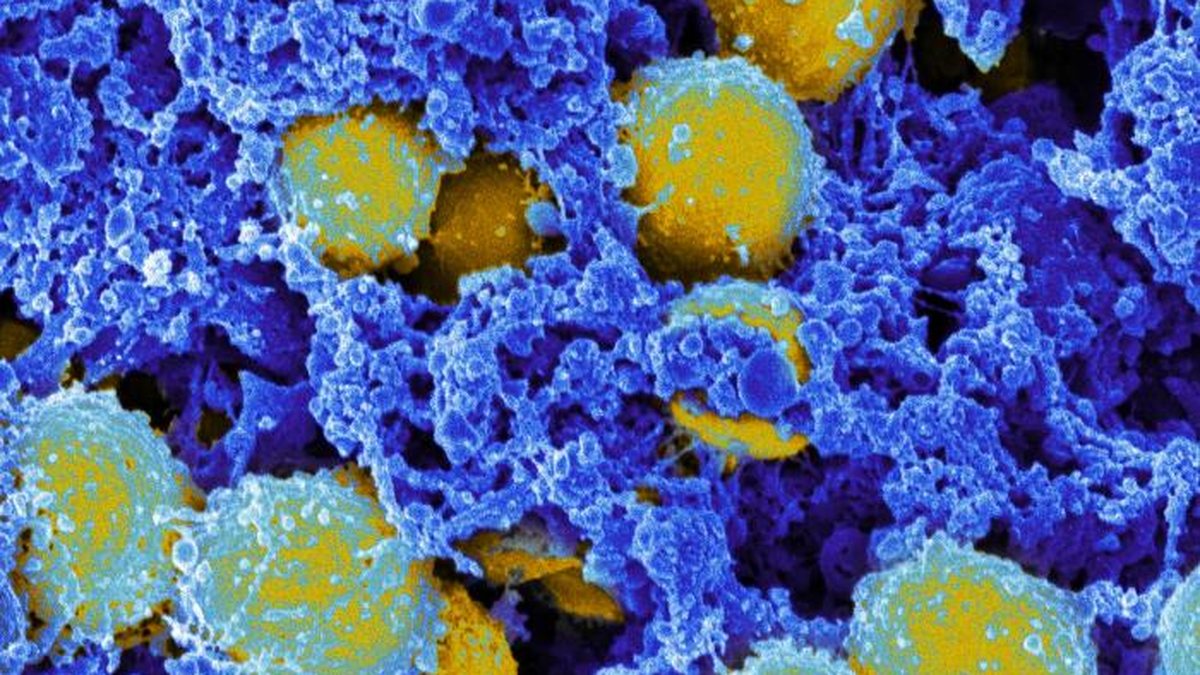
Why Antibiotics Don't Work on Colds and the Flu
Colds and flu are caused by viruses, and antibiotics do not act on viruses. Public health agencies explain why unnecessary use causes harm.