
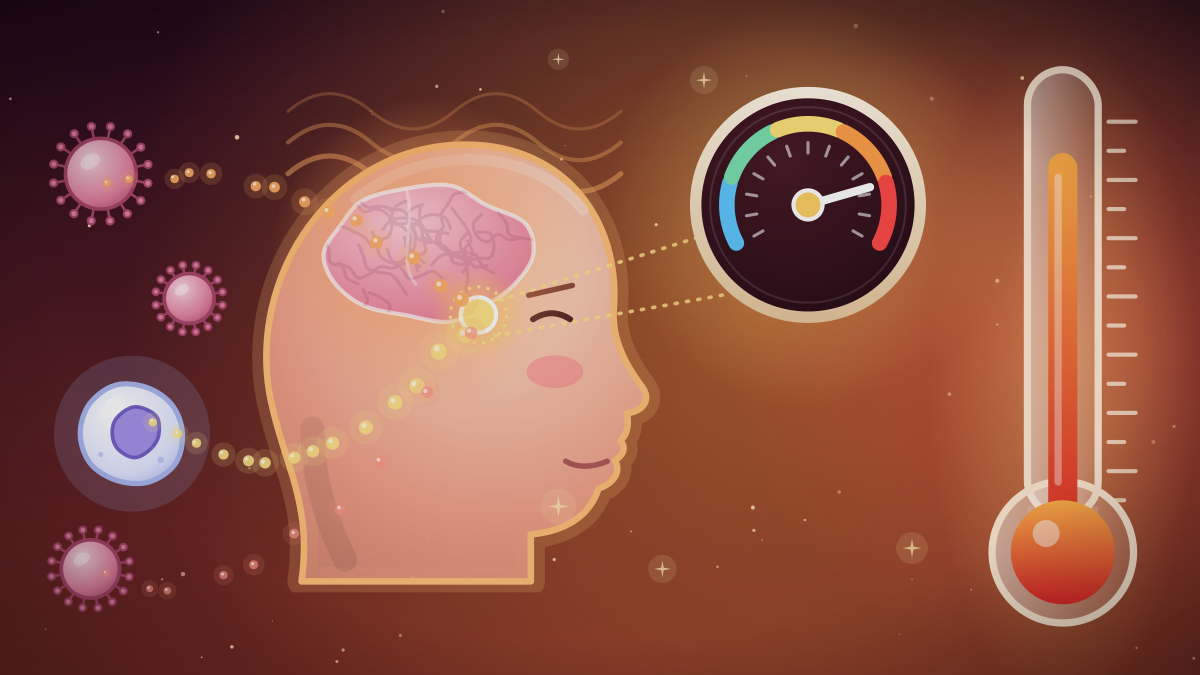
More articles
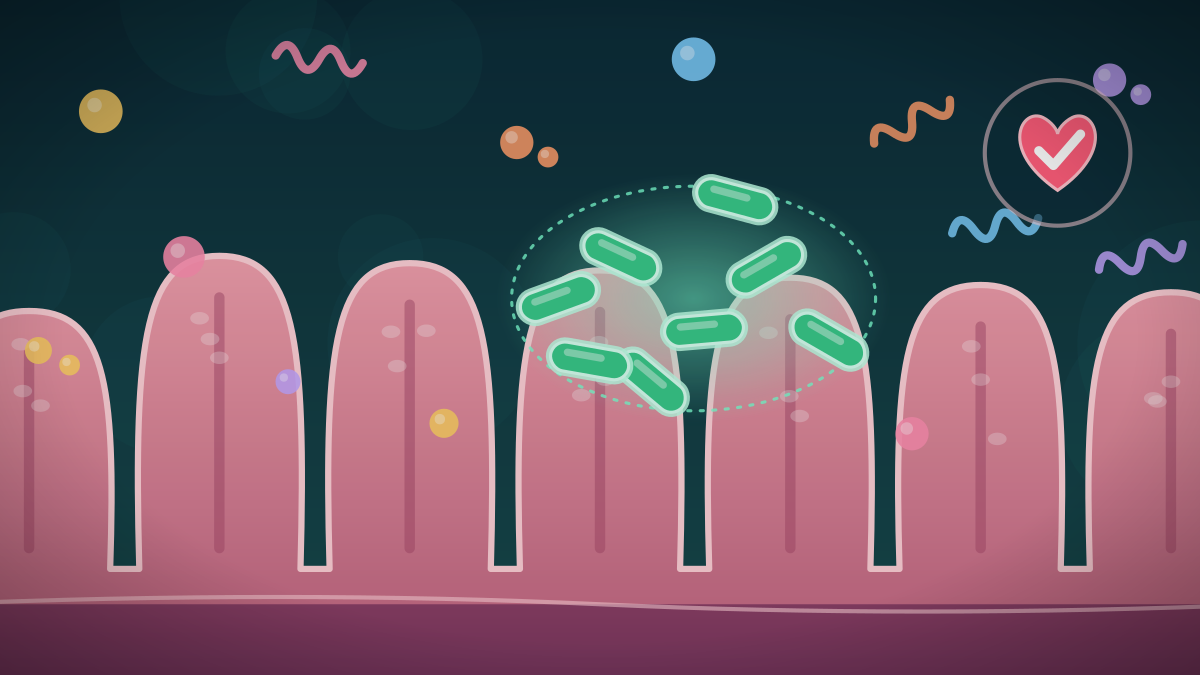
Little-Studied Gut Bacteria Group CAG-170 Tracks With Good Health in Global Analysis
A Cambridge-led analysis of more than 11,000 gut samples found that the uncultured bacterial group CAG-170 is more abundant in healthy people, though cause and effect remain unproven.
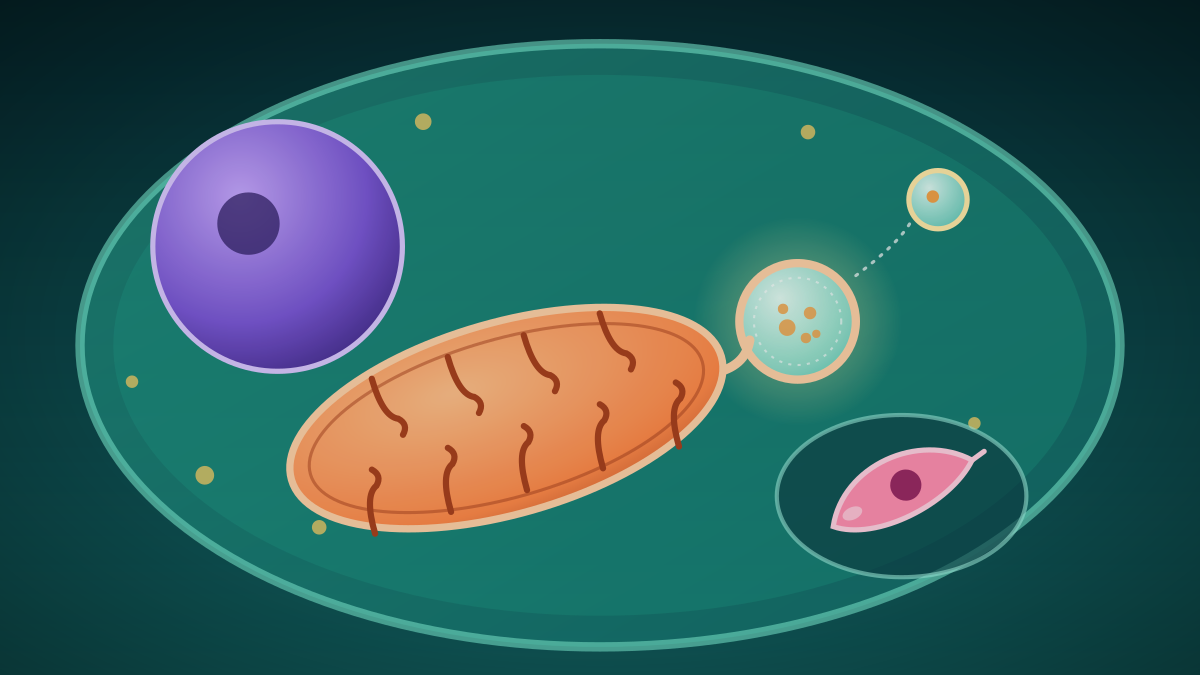
Mitochondria Reported to Shed Membrane to Form New Compartments During Parasite Infection
A 2026 preprint from a UCLA lab reports that infected human cells use mitochondrial membrane to build a new organelle, a result covered by Nature but not yet confirmed by peer review.
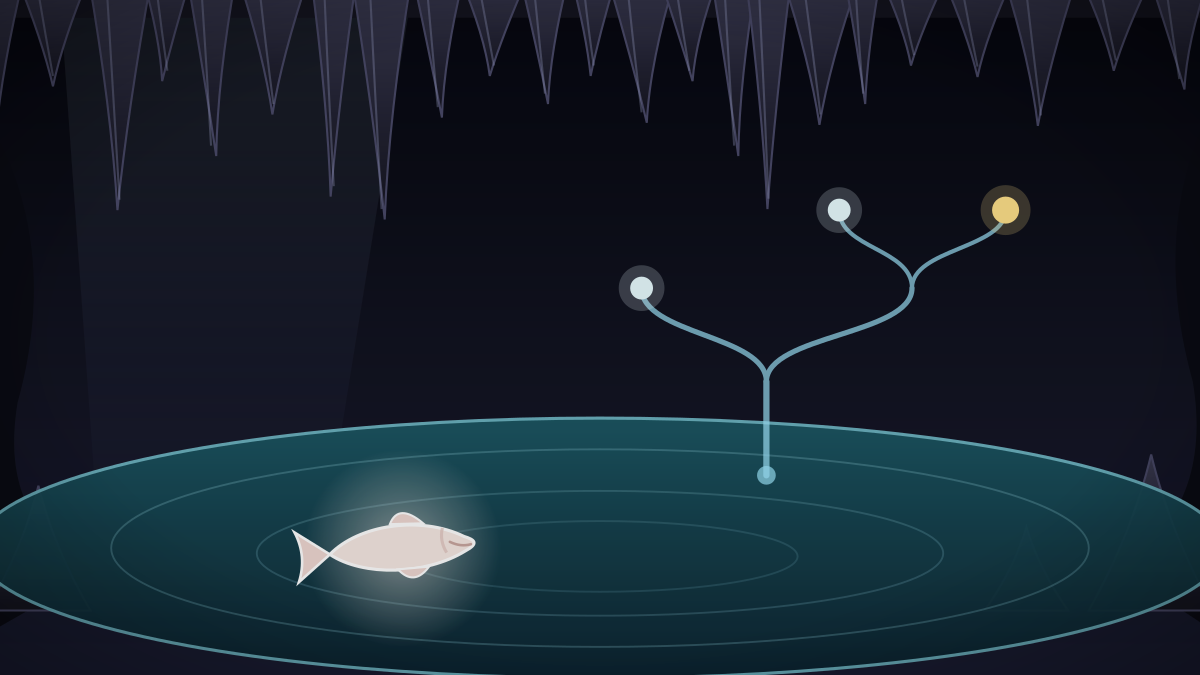
New Cavefish Species Challenges View of Caves as Evolutionary Dead Ends
Yale-led researchers described Typhlichthys styx, a blind cavefish, and found that underground aquifers helped split Southern cavefish into separate species about 8 million years ago.
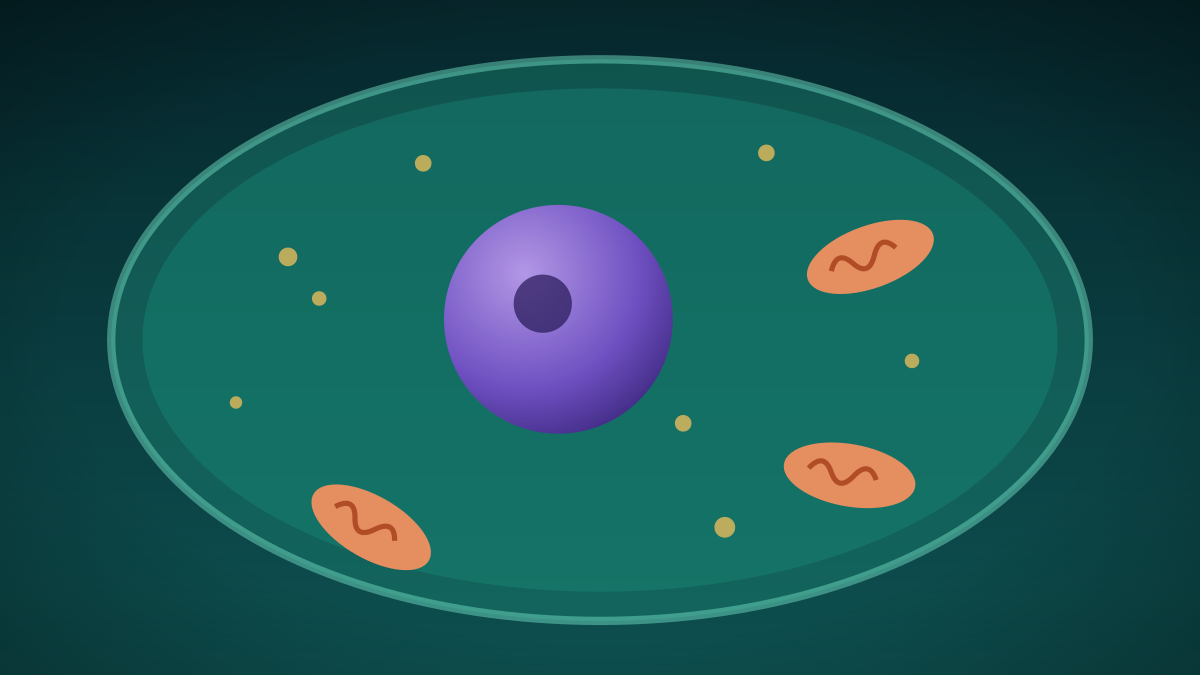
Trillions Strong: Inside the Cell, the Smallest Unit of Life
Every living thing is made of cells, from lone bacteria to the trillions in a human body. A look at the two main cell types and the tiny structures inside them.
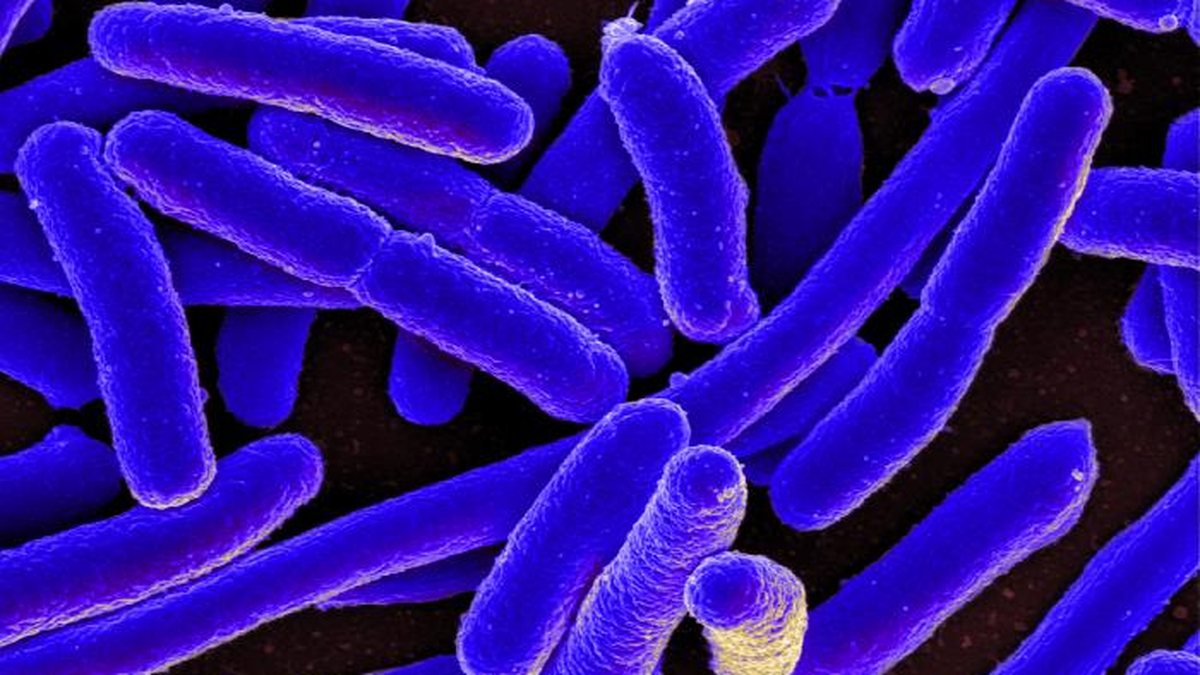
Outnumbered? The Microbes That Live On and In the Human Body
Bacteria, fungi, viruses and other microbes live on skin and in the gut, and researchers have spent years mapping them. Here is what major health agencies say about them.
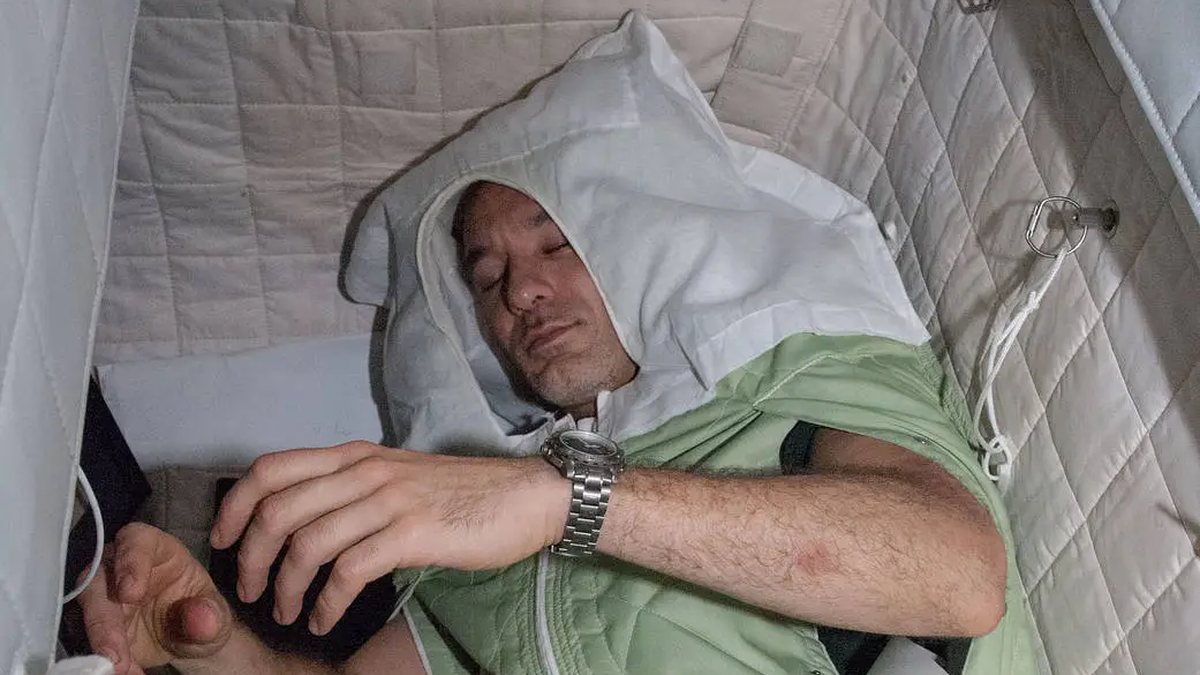
Why Sleep Is Not Downtime: What the Brain and Body Do After Dark
Sleep is an active state in which the brain, heart, hormones and immune system all shift gears. US health agencies also publish recommended hours by age, and their figures differ slightly.
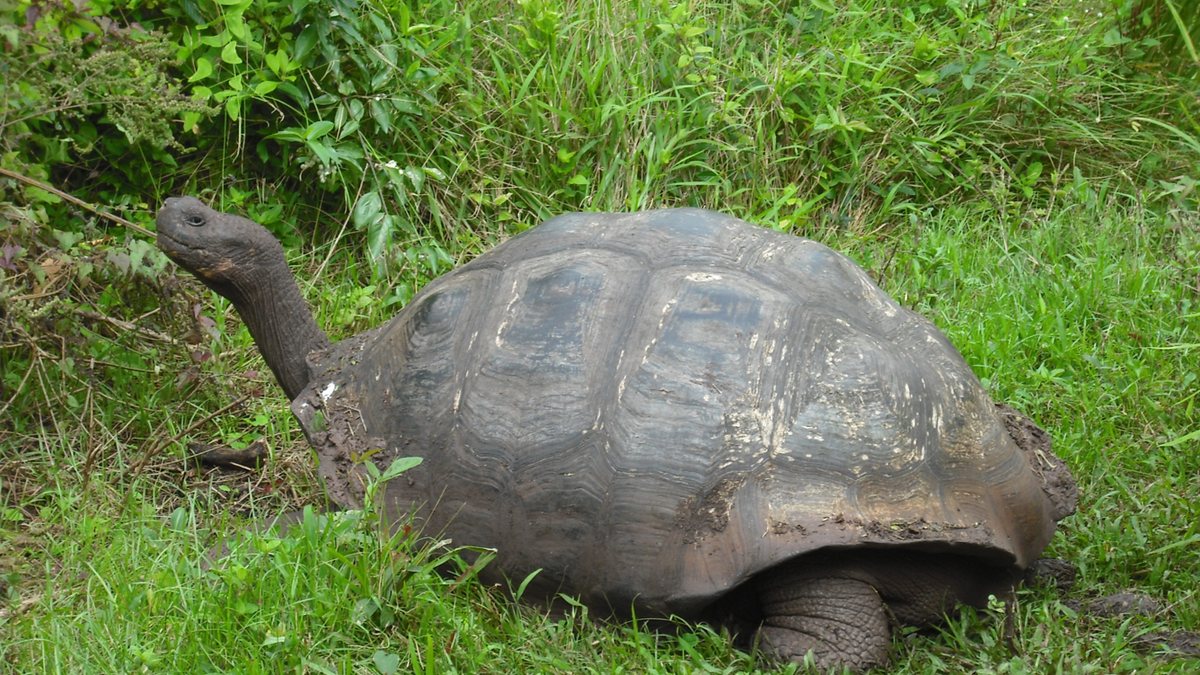
Survival of the Fittest? What Natural Selection Really Says
Natural selection is one of the basic mechanisms of evolution, and it is often misunderstood. Three sources explain what it needs, how it works and what it does not mean.
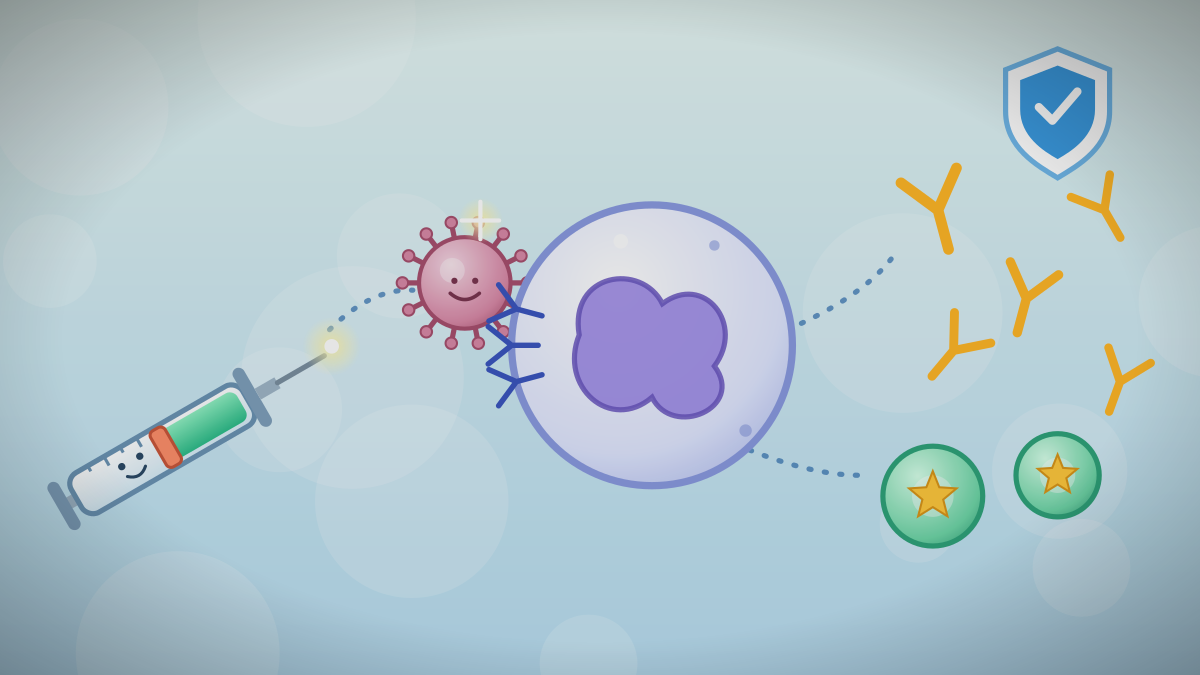
Training the Immune System: How Vaccines Work
Vaccines let the immune system practice against a germ without a real infection. Health agencies describe the antigen, the antibodies and the memory that results.
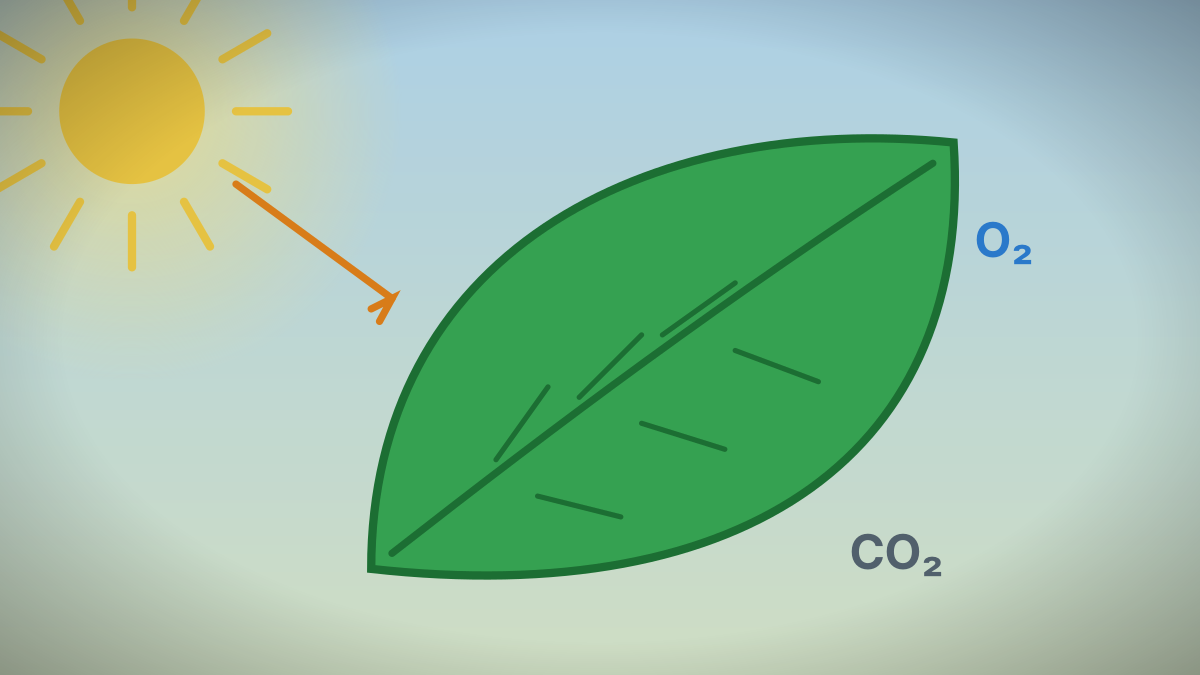
How Photosynthesis Turns Sunlight Into Sugar, Step by Step
Photosynthesis is a two-stage chemical process in chloroplasts that converts light, water and carbon dioxide into sugar and oxygen. Textbooks and ocean scientists explain how it feeds nearly all life.
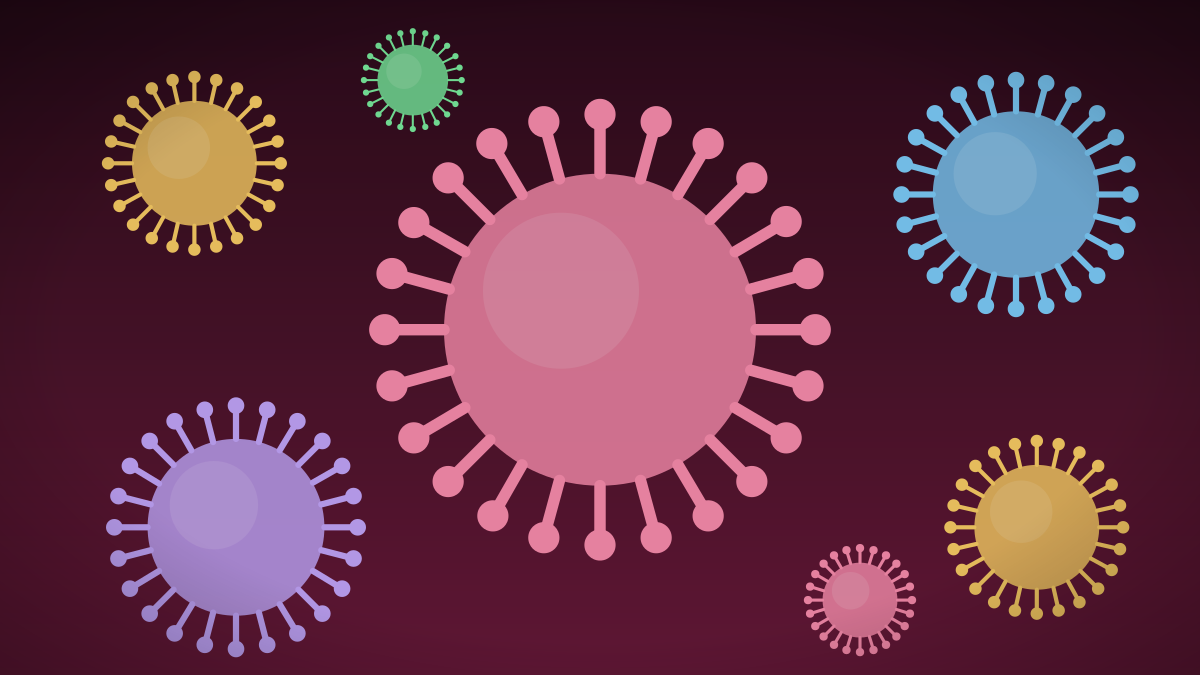
What Are Viruses, and How Do They Differ From Bacteria and Cells?
Viruses are tiny packages of genetic material that cannot run their own metabolism and must hijack host cells to reproduce. Reference texts explain how that sets them apart from bacteria.
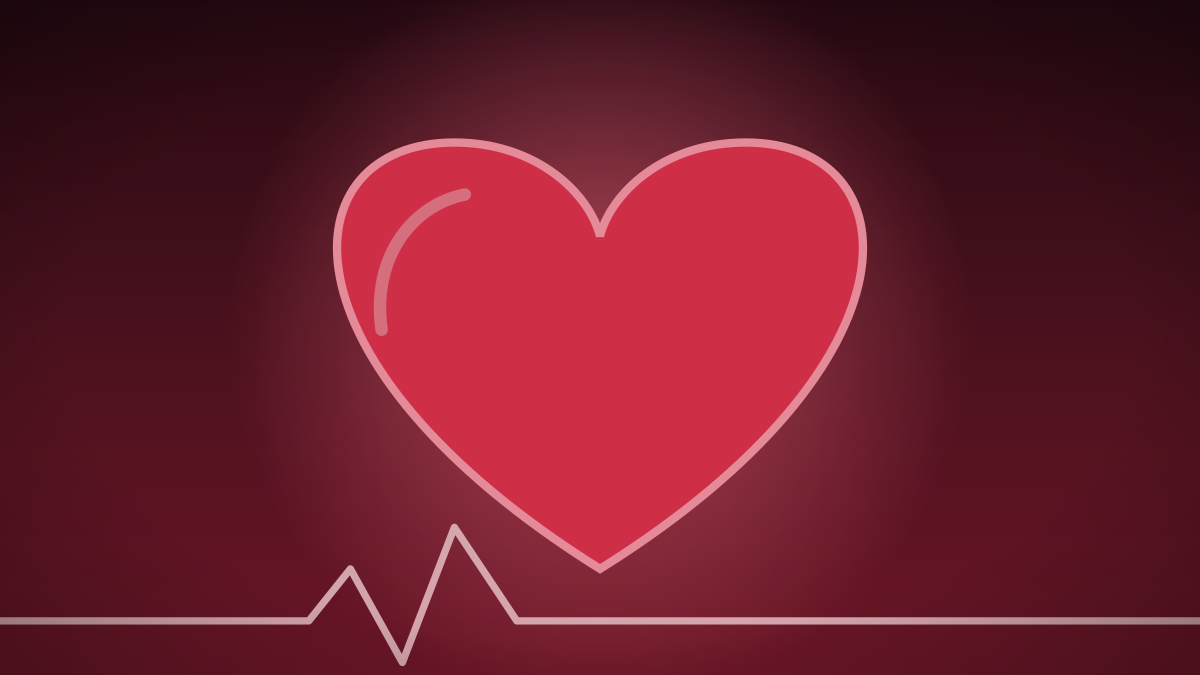
How the Heart Works: Four Chambers, Four Valves and a Built-In Pacemaker
The heart is a four-chambered muscular pump with one-way valves and its own electrical timing system. Health agency pages describe how blood moves through it and how each beat is triggered.
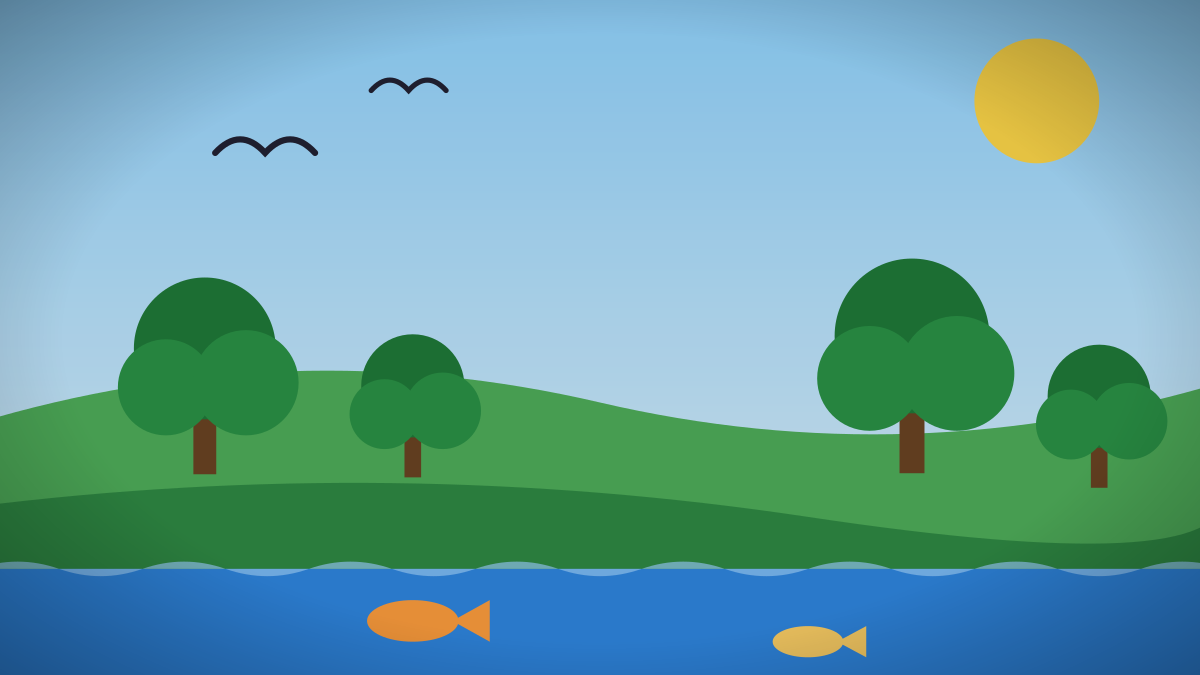
What Is an Ecosystem? Living Things, Nonliving Things and the Links Between Them
An ecosystem is a community of organisms together with the air, water and soil they interact with. Agencies and educators explain how energy and materials move through them.
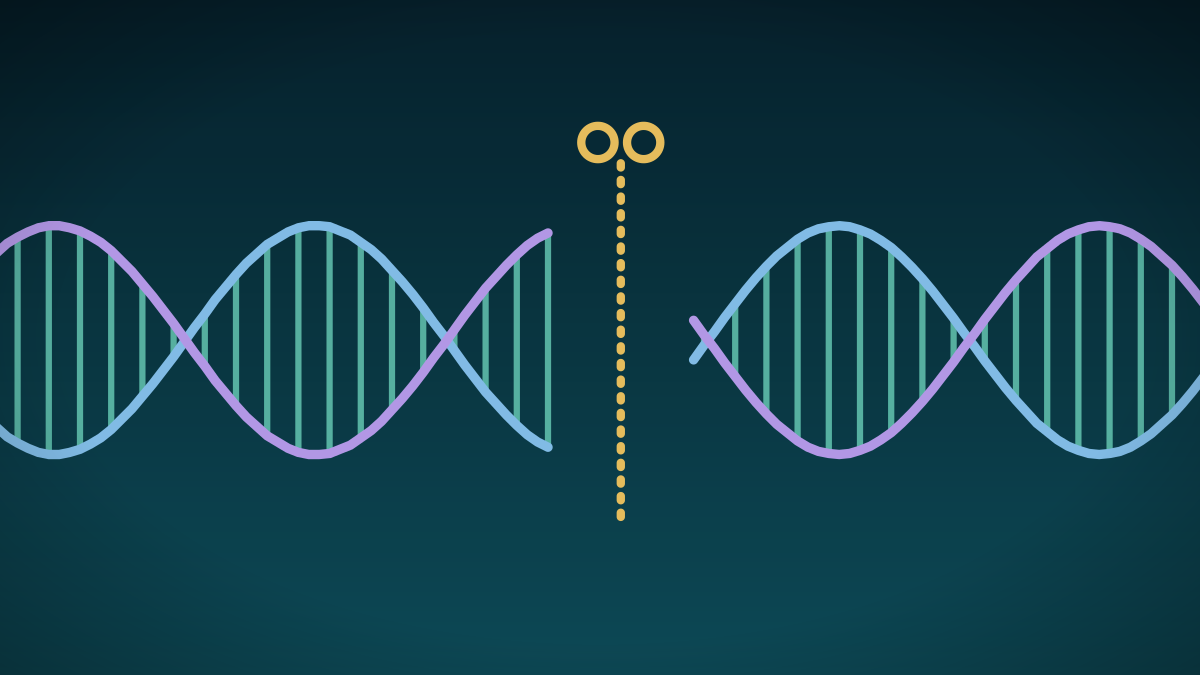
What Is CRISPR? The Gene-Editing Tool Borrowed From Bacteria
CRISPR-Cas9 lets scientists cut DNA at chosen spots using a guide RNA and a Cas9 enzyme, adapted from a bacterial defense system. Health agencies describe its first approved therapy and the debate over editing eggs, sperm and embryos.
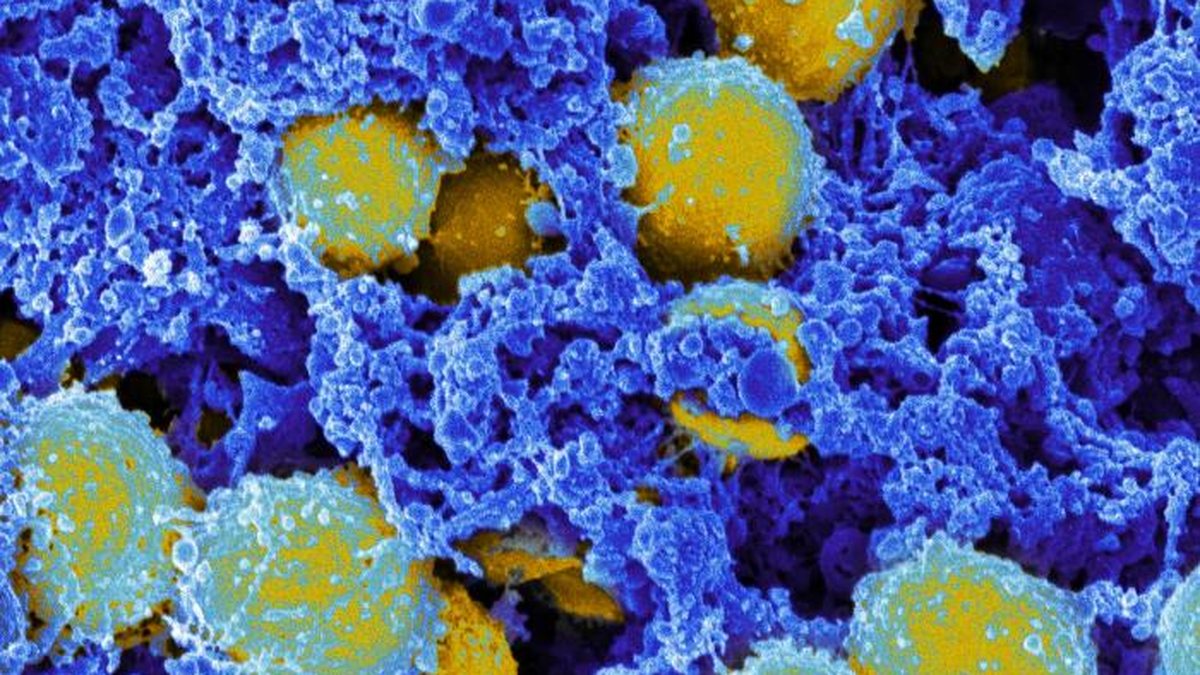
Why Antibiotics Don't Work on Colds and the Flu
Colds and flu are caused by viruses, and antibiotics do not act on viruses. Public health agencies explain why unnecessary use causes harm.
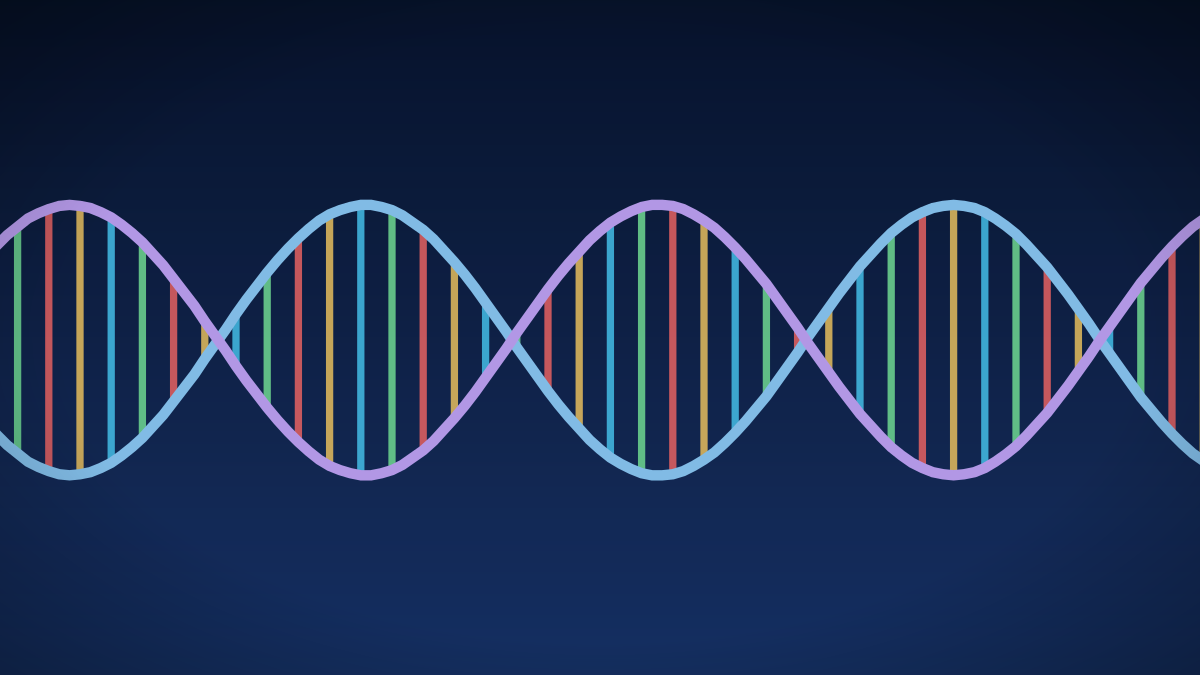
What Is DNA? The Molecule That Carries Your Instructions
DNA is the molecule that carries genetic information. A short guide to its structure and how its letters pair.
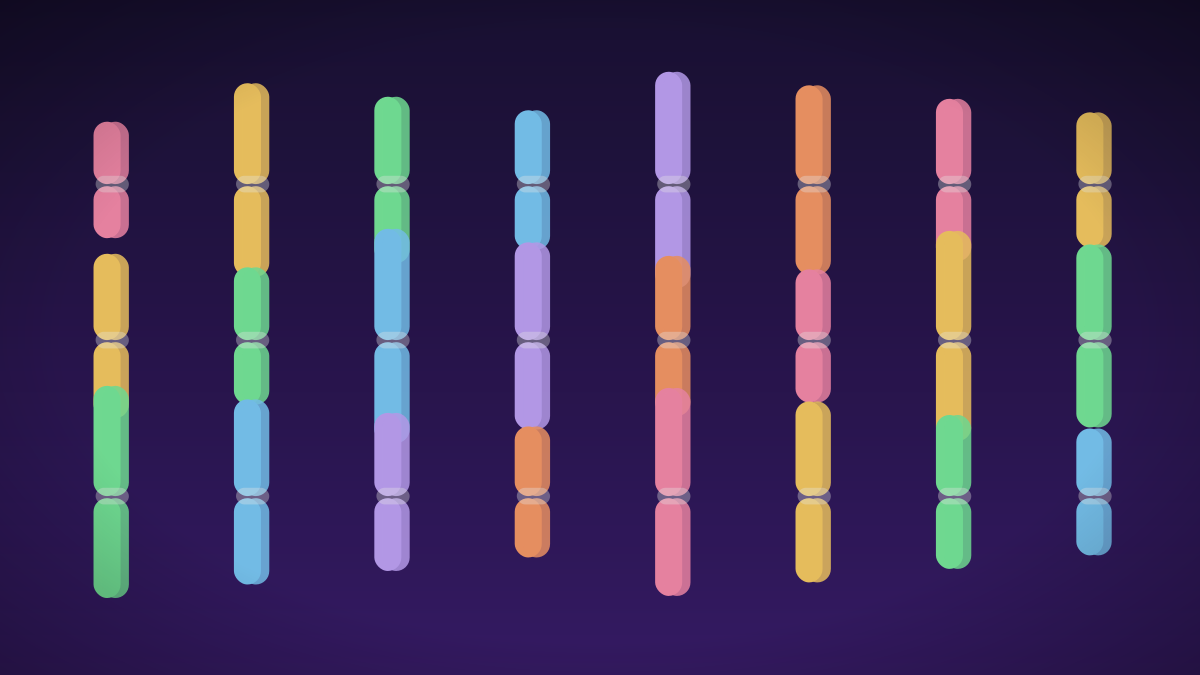
What Is a Genome, and What Was the Human Genome Project?
A genome is an organism's complete set of DNA instructions. What that means and how large the human genome is.