
Human body
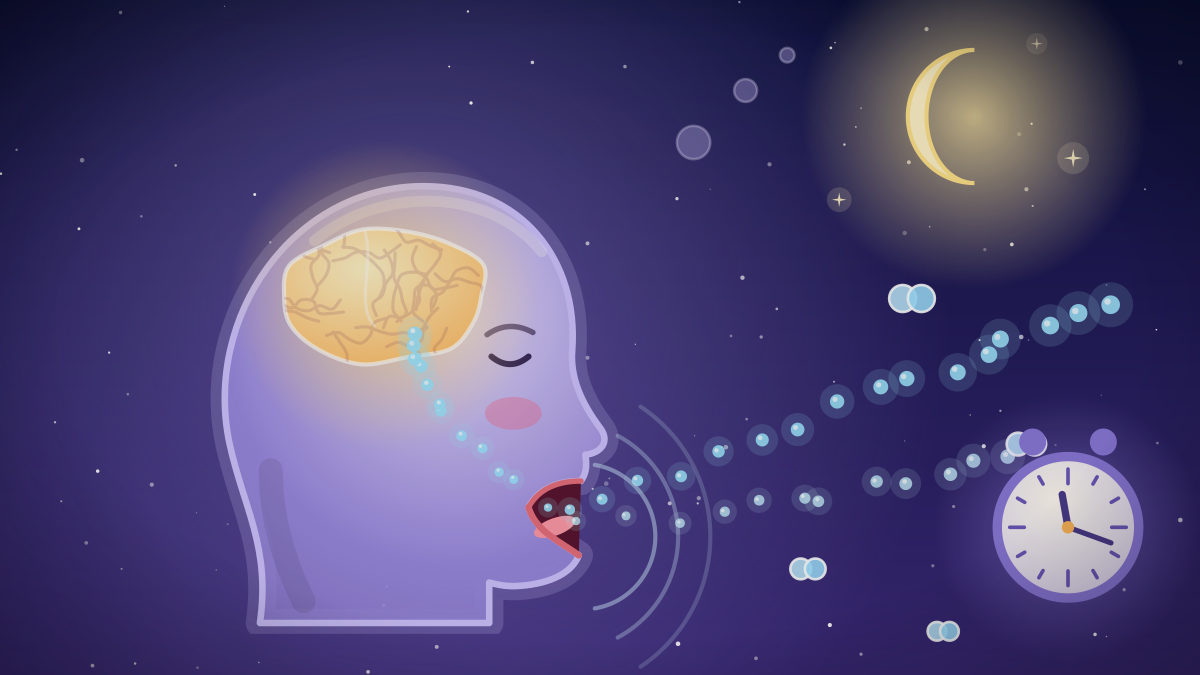
Why Do People Yawn?
Yawning has no settled explanation. Brain cooling, arousal and social signalling are the leading ideas, while the oxygen theory has been dropped. Evidence and limits are summarised.
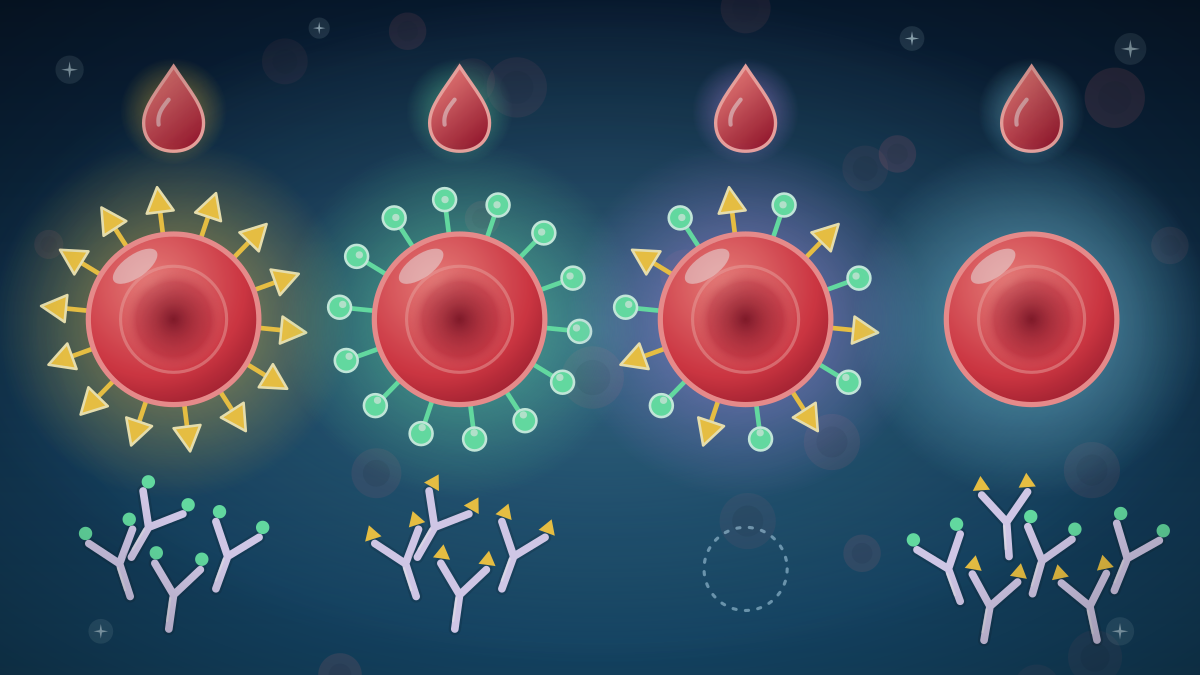
What Are Blood Types and Why Do They Matter?
Blood types come from inherited antigens on red cells. ABO and Rh groups decide which transfusions are safe and matter in pregnancy. How the groups were found and how common each is.
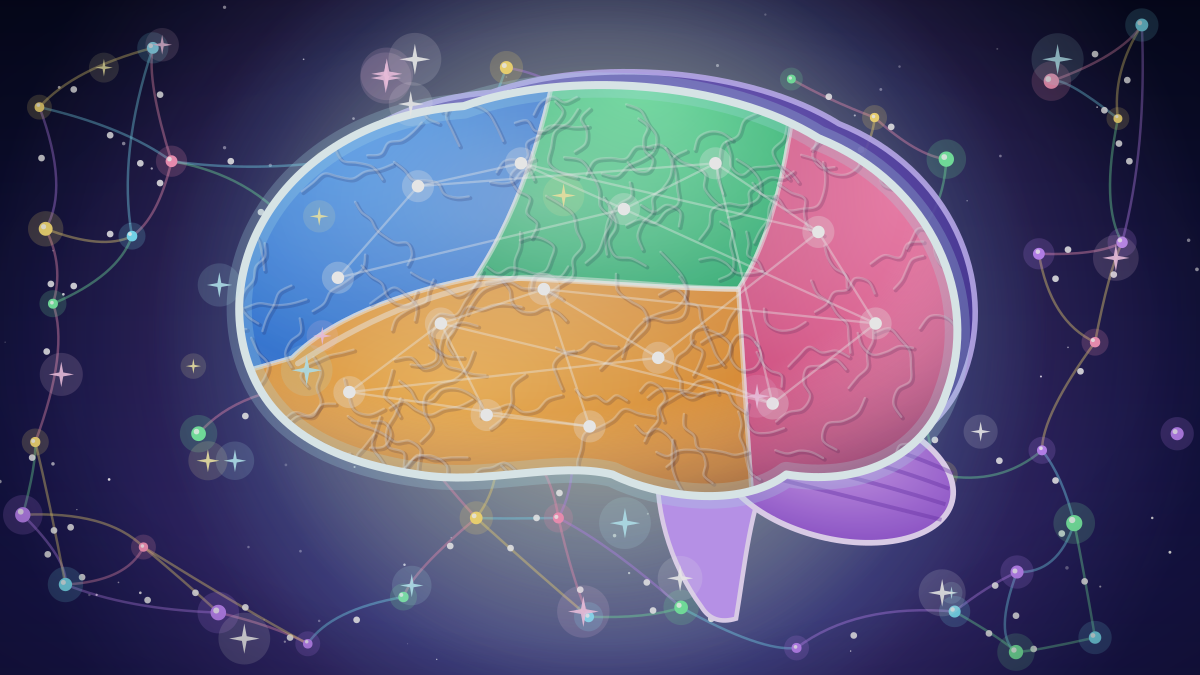
Do People Really Use Only 10 Percent of the Brain?
The claim that only 10 percent of the brain is used is a myth. Imaging, brain-damage evidence and energy costs show activity throughout the brain, and the figure has murky origins.
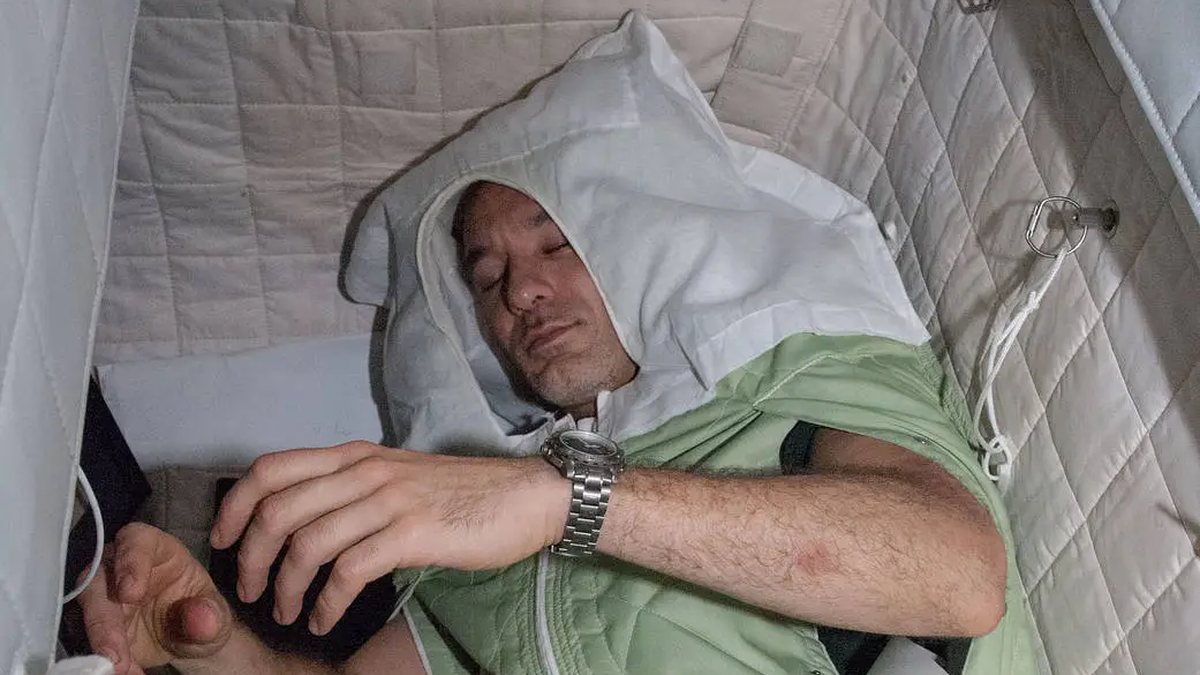
Why Sleep Is Not Downtime: What the Brain and Body Do After Dark
Sleep is an active state in which the brain, heart, hormones and immune system all shift gears. US health agencies also publish recommended hours by age, and their figures differ slightly.
How the Heart Works: Four Chambers, Four Valves and a Built-In Pacemaker
The heart is a four-chambered muscular pump with one-way valves and its own electrical timing system. Health agency pages describe how blood moves through it and how each beat is triggered.