
Ecology & evolution
Articles in this section
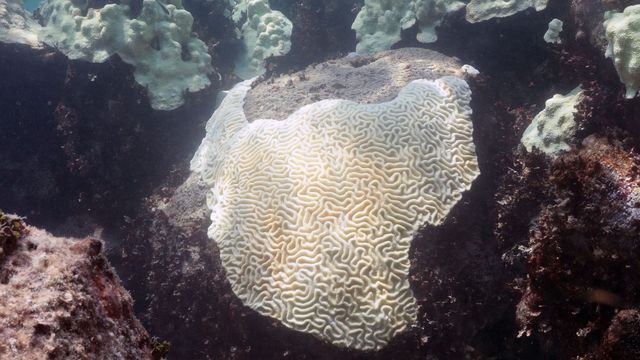
Why Coral Turns White: Inside the Record Heat Stress That Reached 84% of the World's Reefs
Stressed corals expel the algae that feed them and turn white. NOAA explains how bleaching works and reports that heat stress reached 84% of the world's reef area from 2023 to 2025.
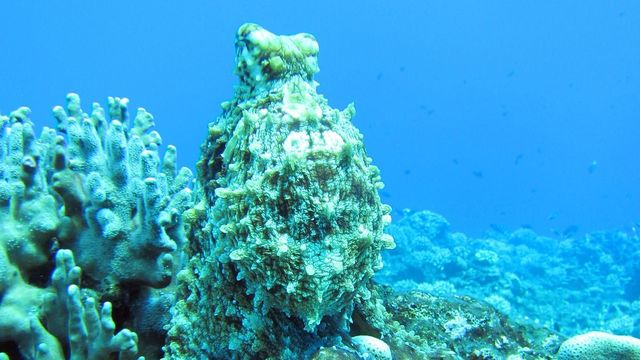
How an Octopus Disappears: The Skin Cells Behind Its Camouflage
Octopus skin holds thousands of color-changing cells, reflective cells and tiny movable bumps. A Smithsonian explainer and a UC Santa Barbara study show how the skin hides the animal and even senses light.
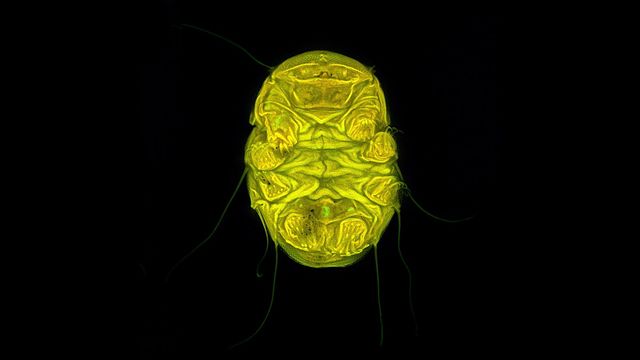
Tardigrades Became the First Animals to Survive the Vacuum of Open Space
In 2007, dried-out tardigrades were exposed to open space on a European satellite. Most survived vacuum and cosmic rays, and a few survived intense ultraviolet light, reproducing normally afterward.
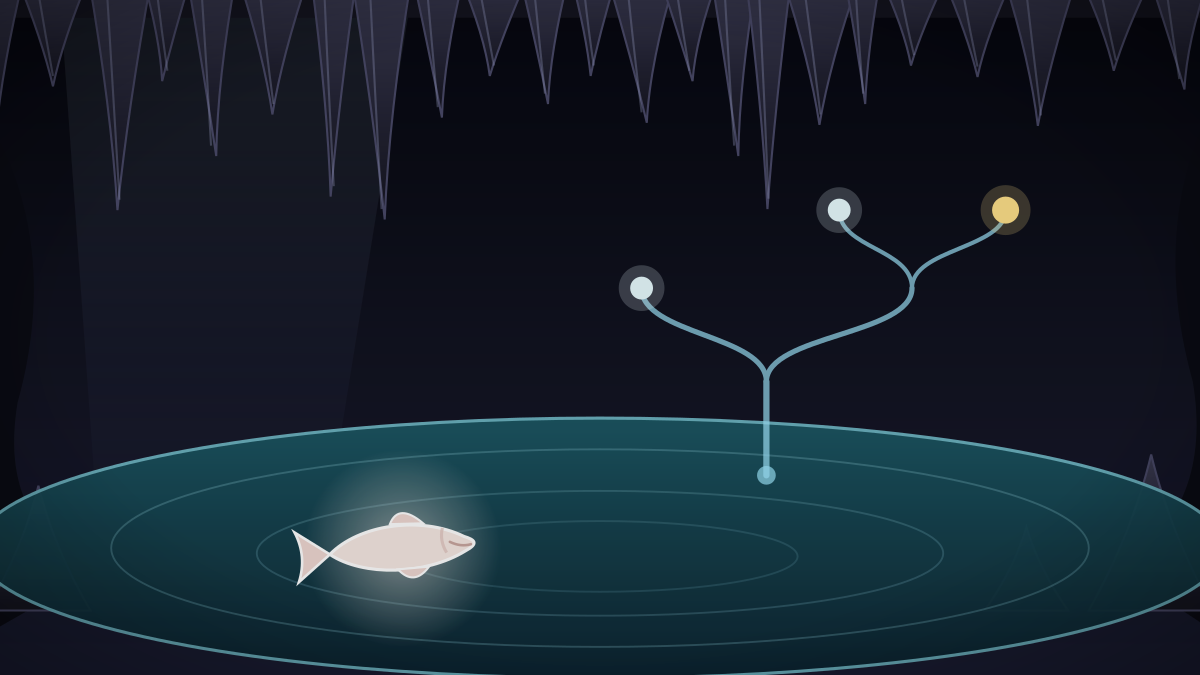
New Cavefish Species Challenges View of Caves as Evolutionary Dead Ends
Yale-led researchers described Typhlichthys styx, a blind cavefish, and found that underground aquifers helped split Southern cavefish into separate species about 8 million years ago.
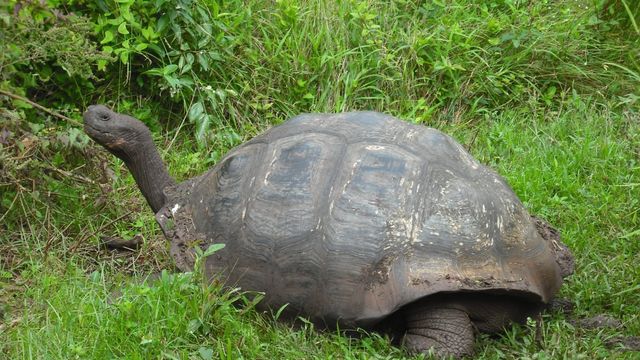
Survival of the Fittest? What Natural Selection Really Says
Natural selection is one of the basic mechanisms of evolution, and it is often misunderstood. Three sources explain what it needs, how it works and what it does not mean.
What Is an Ecosystem? Living Things, Nonliving Things and the Links Between Them
An ecosystem is a community of organisms together with the air, water and soil they interact with. Agencies and educators explain how energy and materials move through them.