Outnumbered? The Microbes That Live On and In the Human Body
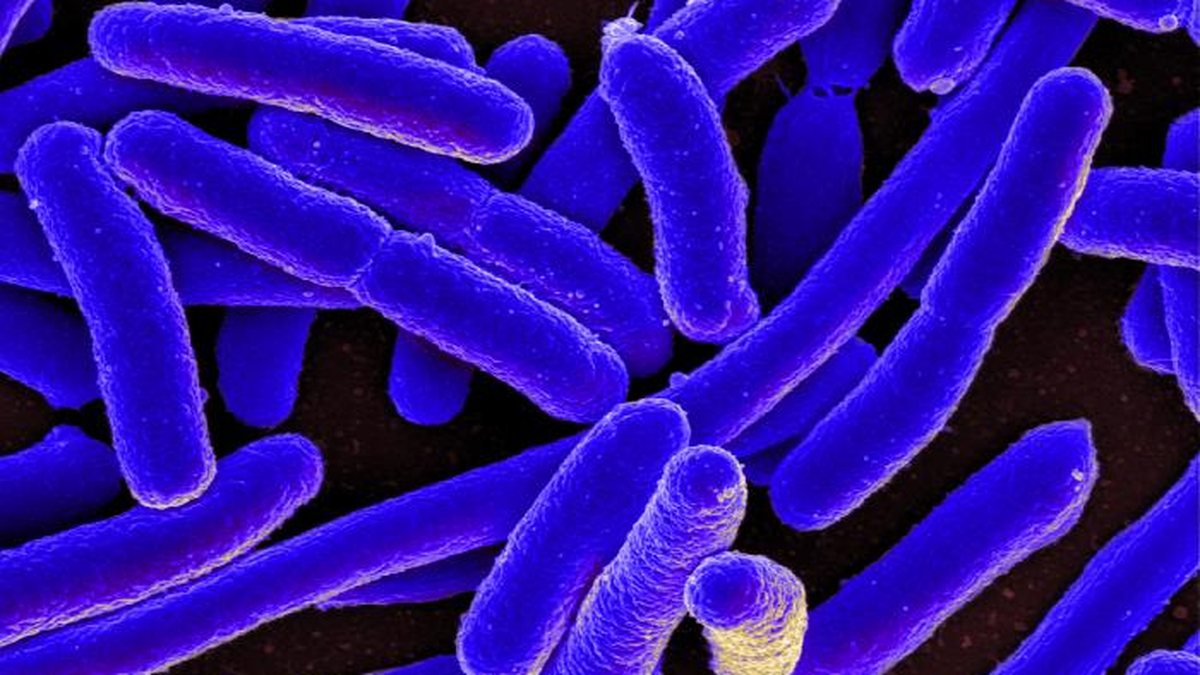
- The microbiome is the community of microorganisms in a particular environment, including the human body.
- A decade-long NIH project sequenced about 3,000 reference bacterial genomes from the human body.
- Gut bacteria help with digestion and skin microbes help keep out pathogens.
A crowd with a name
NHGRI defines the microbiome as the community of microorganisms, such as fungi, bacteria and viruses, that exists in a particular environment. On the human body, that includes places such as the skin and the gastrointestinal tract.[2] The US National Institutes of Health (NIH) Common Fund adds protists to the list and says microbial cells outnumber human cells by about ten to one, a figure that a 2016 recalculation revised to roughly one to one.[1][6]
NHGRI stresses that these communities are not fixed. They shift with influences such as exercise, diet, medication and other exposures.[2]
Mapping the residents
The NIH Human Microbiome Project ran under Common Fund support from 2007 to 2016. Its first phase built DNA sequencing and computational tools to characterize microbiomes in healthy adults and in people with disease. A second phase, called the integrative project, tracked several biological properties over time in groups of people with particular conditions.[1]
According to the NIH, the project's accomplishments included:[1]
- Sequencing about 3,000 reference bacterial genomes from the human body.
- Building microbiome profiles from more than 300 healthy individuals.
- Producing what the NIH calls the only complete dataset of bacterial, fungal, viral and protist community makeup from a single human group.
- Publishing more than 650 scientific papers, cited over 70,000 times by 2017.
The second phase focused on preterm birth, inflammatory bowel disease and prediabetes.[1]
What the microbes do
The National Institute of Diabetes and Digestive and Kidney Diseases (NIDDK) describes gut bacteria, which it calls gut flora or the microbiome, as helpers in digestion. Bacteria in the large intestine help break down leftover nutrients and make vitamin K, and bacteria in the small intestine make some of the enzymes needed to digest carbohydrates.[3] That page was last reviewed in December 2017.
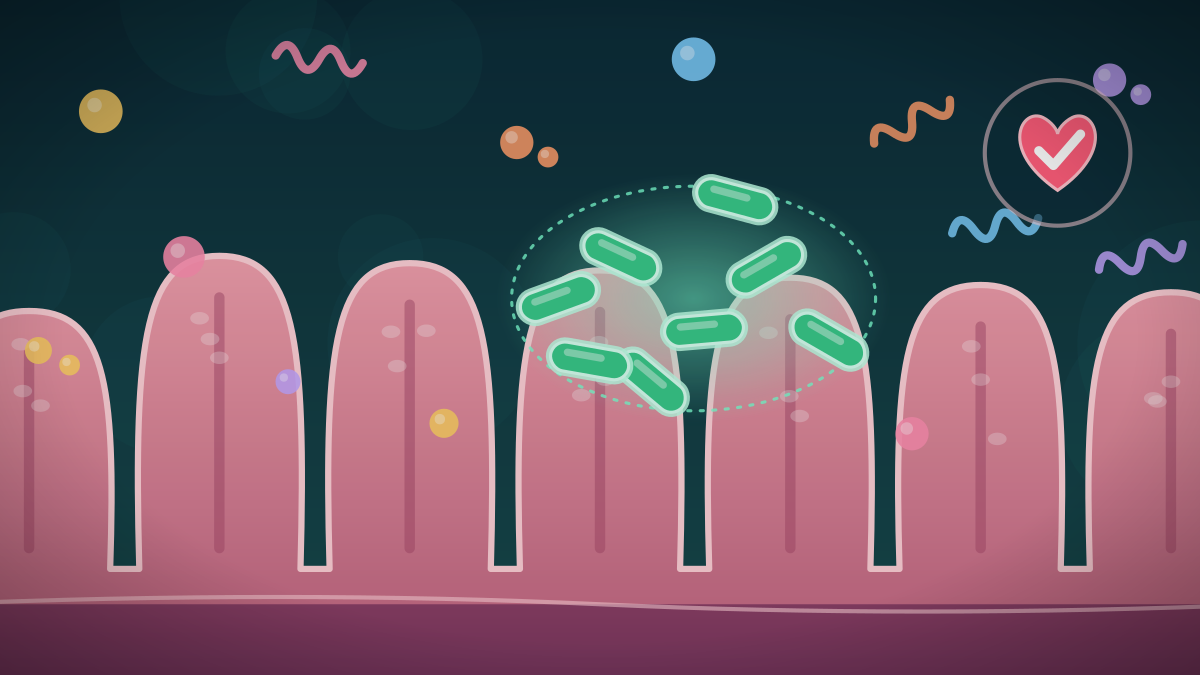
Elsewhere on the body, NHGRI says skin bacteria break down lipids to create natural moisturizing factors. It also describes colonization resistance, in which resident microbes occupy space and so make it harder for disease-causing organisms to settle in. NHGRI frames this as a shift in scientific thinking, from viewing bacteria only as pathogens to recognizing commensal microbes that benefit their human hosts.[2]
Where the evidence is still thin
Interest in gut bacteria has also fueled a market for probiotics. The UK National Health Service (NHS) says probiotics are thought to help restore the natural balance of bacteria in the gut when illness or treatment has disrupted it. It also stresses that evidence for many health claims is limited and that it is uncertain whether commercial products contain effective strains in adequate amounts.[4] In short, mapping the microbiome has moved faster than proof of what can be done with that map.
What later research adds
A 2012 Nature paper from the Human Microbiome Project reported that even healthy individuals differ remarkably in the microbes occupying habitats such as the gut, skin and vagina, yet the metagenomic carriage of metabolic pathways was stable among individuals despite variation in community structure.[5] A 2016 PLOS Biology recalculation estimated, for a 70 kg adult male, about 3.8 × 10¹³ bacterial cells against 3.0 × 10¹³ human cells, a ratio of roughly 1 to 1, and traced the older ten-to-one figure to a single rough estimate.[6]
References
- NIH Common Fund. Human Microbiome Project. 2025-07-11. Accessed October 5, 2026.
- National Human Genome Research Institute. Microbiome (Talking Glossary of Genomic and Genetic Terms). Accessed October 5, 2026.
- NIDDK, National Institutes of Health. Your Digestive System and How it Works. 2017-12. Accessed October 5, 2026.
- NHS (UK). Probiotics. Last reviewed 24 November 2022. Accessed October 5, 2026.
- The Human Microbiome Project Consortium, Nature. Structure, function and diversity of the healthy human microbiome. June 13, 2012. Accessed October 5, 2026.
- Sender R, Fuchs S, Milo R, PLOS Biology. Revised estimates for the number of human and bacteria cells in the body. August 19, 2016. Accessed October 5, 2026.
Updated October 5, 2026: the ten-to-one cell ratio cited from the NIH Common Fund was revised to roughly one to one by a 2016 PLOS Biology analysis (reference 6).