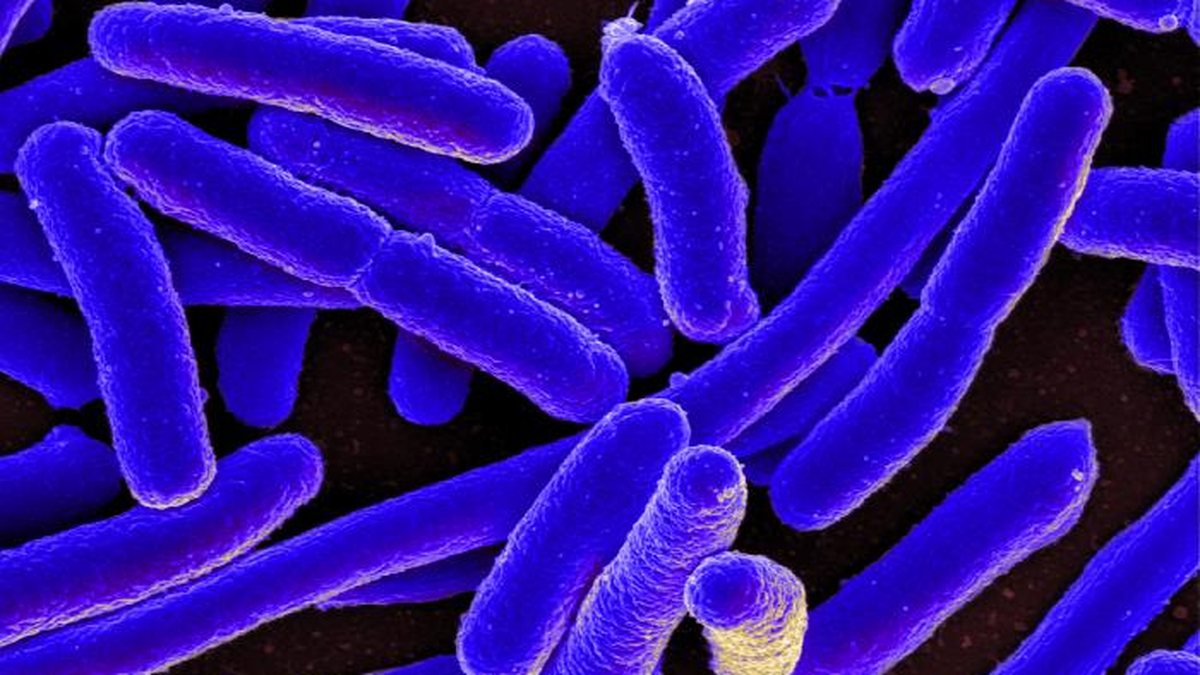
Little-Studied Gut Bacteria Group CAG-170 Tracks With Good Health in Global Analysis
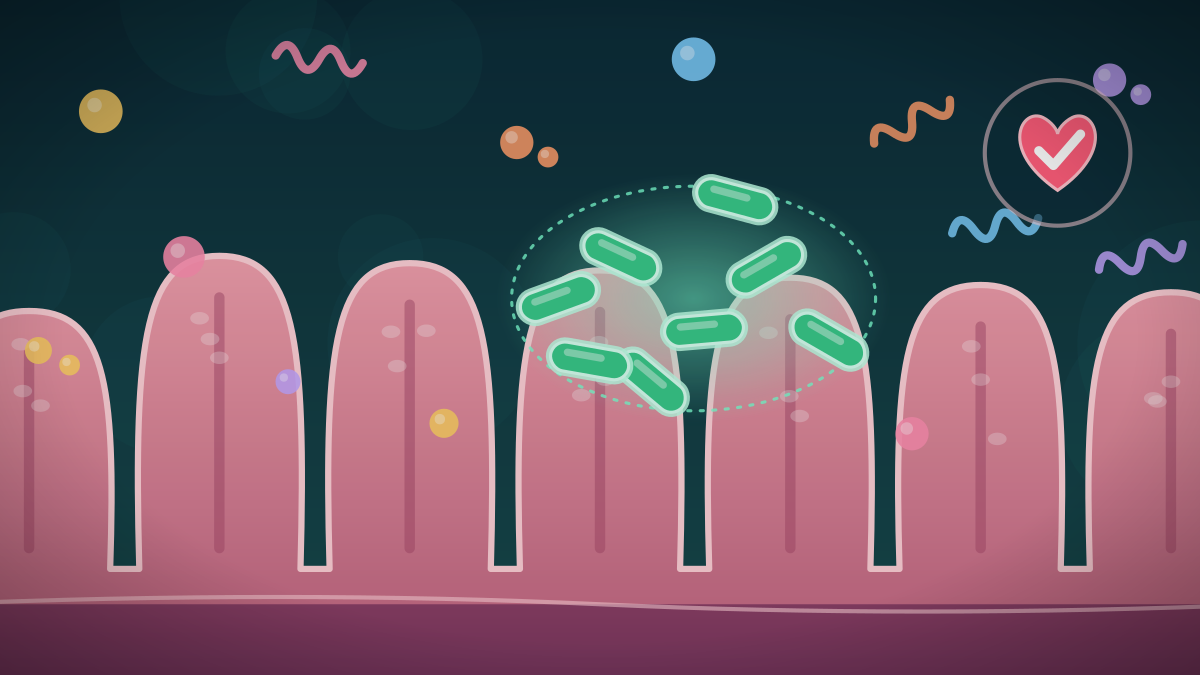
- CAG-170 was more abundant in healthy people than in people with 13 chronic diseases across 39 countries.
- The bacteria can make vitamin B12 and break down fibres, and may mainly support other gut microbes.
- The data are correlational, and most CAG-170 strains have never been grown in a laboratory.
General information only, not medical advice. Talk to a doctor or pharmacist about your own health.
A hidden group appears again and again in healthy guts
Researchers at the University of Cambridge have reported that a poorly known group of gut bacteria, named CAG-170, appears consistently at higher levels in healthy people than in people with a range of chronic conditions. The analysis drew on more than 11,000 gut microbiome samples from 39 countries and covered 13 diseases, including Crohn's disease, obesity, inflammatory bowel disease, colorectal cancer, Parkinson's disease and multiple sclerosis.[1] The results were published in the journal Cell Host & Microbe in February 2026.[1]
The microbiome is the community of bacteria and other microbes living in the intestine. Most of its members are known only from fragments of DNA rather than from living cultures, which makes many of them hard to study.[1]
How the group was found
The team used metagenomics, an approach that reads the genetic material of all microbes in a sample at once and then computationally separates the genomes of individual species.[1] Earlier work by the same group produced a catalogue of about 4,600 bacterial species in the human gut, more than 3,000 of them previously unknown to science.[1] Using that catalogue as a reference, the researchers searched samples from Europe, North America and Asia for bacterial groups that differed between healthy people and those with disease.[1]
CAG-170 stood out. It was found at significantly lower levels in people with the chronic conditions studied, according to coverage of the work.[2] One independent summary describes the group as a bacterial genus in the family Oscillospiraceae and reports that its abundance was reduced across all 13 non-communicable diseases examined.[3]
What the bacteria seem to do
Genetic analysis indicates that CAG-170 bacteria can produce substantial amounts of vitamin B12 and carry enzymes that break down carbohydrates, sugars and fibres.[1] The researchers suggest the vitamin production may benefit other gut microbes rather than the human host directly, so that the group acts as a supporter of the wider microbial community.[1] A separate commentary on the study describes CAG-170 as a "keystone" connector, ranking in the top 1% of species that link other microbes together in healthy people, and notes that it makes vitamin B12 that it cannot use itself.[4]
Dr. Alexandre Almeida, the lead researcher, said the bacteria "appear to be key players in human health, likely by helping us to digest the main components of our food and keeping the whole microbiome running smoothly."[1]
Important limits
The study compared people with and without disease at a single point in time. Because of this case-control design, it cannot show whether low CAG-170 contributes to illness or is a consequence of it.[3] The researchers have also said the mechanism behind any health effect remains unconfirmed and that extensive safety testing would be needed before any commercial use.[5]
A further obstacle is that the bacteria are very difficult to grow. Most CAG-170 strains have never been cultured in a laboratory, because they occur at low levels in the gut, are sensitive to oxygen and have specialised nutritional needs.[5] Only one strain out of more than 300 identified has been grown so far, according to one trade report.[5] New culturing methods would be needed before the group could be studied directly or considered for use in probiotics, the live microbial products sold as supplements.[1]
Commentators also stress how much remains unknown, noting that over 60% of gut microbiome species are still unidentified.[4] Commercial probiotics rely mainly on long-established genera such as Bifidobacterium and Lactobacillus, and bringing a new candidate to market would require culturing, safety and toxicity testing and regulatory approval.[3]
What this does and does not show
- The finding is an association drawn from computational analysis of existing samples, not a trial in people.[3]
- No treatment or supplement based on CAG-170 exists, and the work offers no basis for health decisions today.[5]
- Independent replication and laboratory experiments with living strains would be needed to test the proposed role of the bacteria.[1]
The work adds to a broader effort to identify which gut microbes matter for health, and underlines how many of them have so far escaped study simply because they cannot be grown.[4]
References
- University of Cambridge. Hidden bugs in our gut appear key to good health, finds global study. 2026-02-09. Accessed October 5, 2026.
- ScienceDaily. Scientists discover a hidden gut bacterium linked to good health. 2026-02-14. Accessed October 5, 2026.
- Vitafoods Insights. Why an understudied group of gut bacteria could transform probiotic science. 2026-03-16. Accessed October 5, 2026.
- Micro-Bites (Microbiology Society). Uncultured and Understudied. 2026-06-01. Accessed October 5, 2026.
- NutritionInsight. Cambridge Researchers Identify "Hidden" Gut Microbes to Unlock Next-Gen Probiotics. 2026-02-11. Accessed October 5, 2026.
The findings are correlational, from existing samples, and the underlying paper was read only through the Cambridge press release and secondary coverage. Sources differ slightly on dates and on how many strains have been cultured.