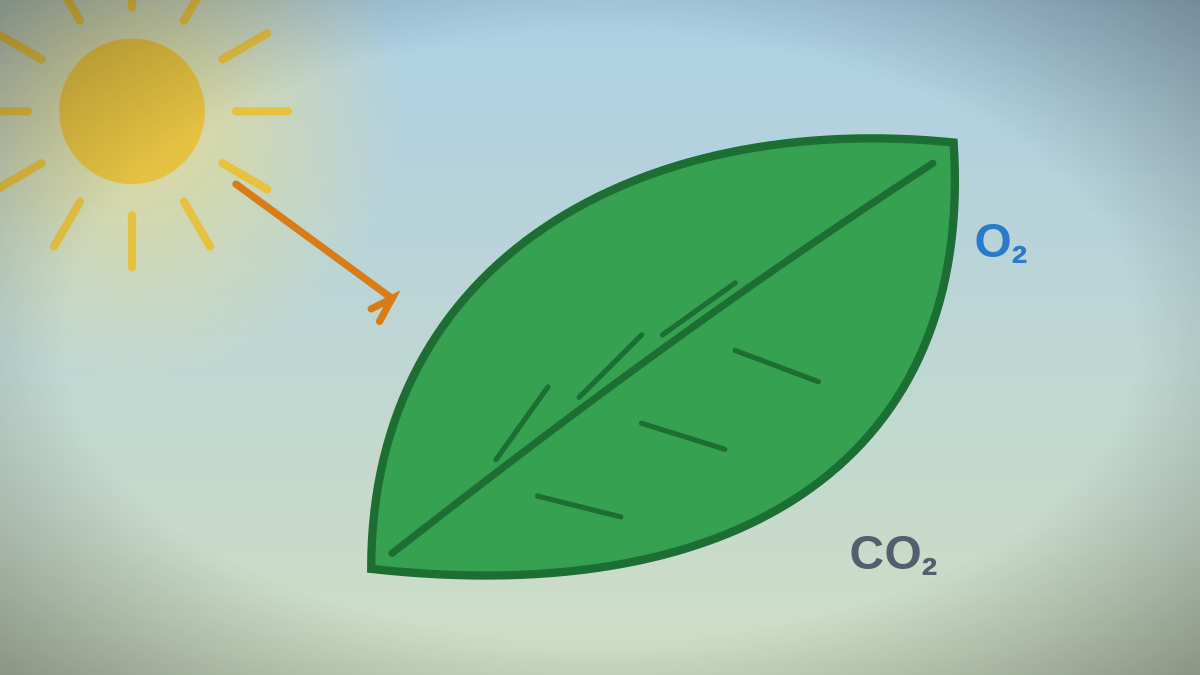
Why Leaves Change Color in Autumn: The Hidden Pigments Behind Fall Foliage
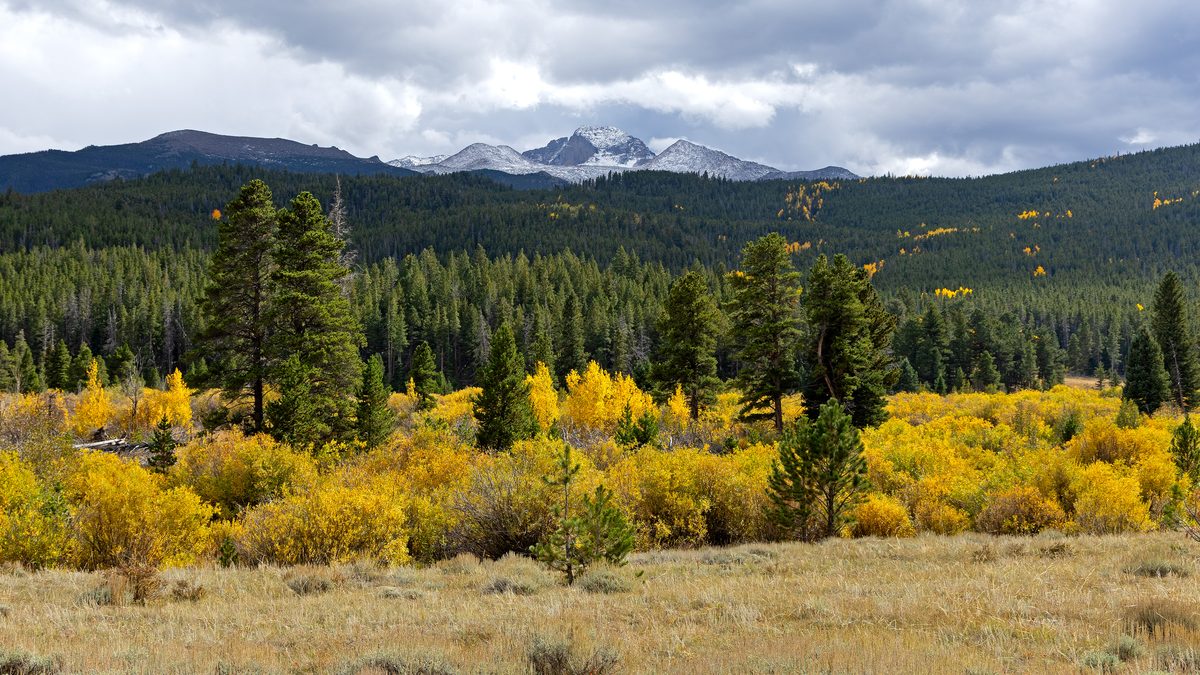
- Leaves look green in summer because they make chlorophyll, which drives photosynthesis. Shorter days and cooler temperatures make plants slow its production.[1][2]
- Carotenoids give yellow, gold and orange. Anthocyanins can give red and purple, and the USDA says they are largely made in response to stress such as the first frost.[1][2]
- Elevation, sunlight, soil moisture and temperature all affect sugar levels in leaves, which help set the color and brightness of the pigments.[1]
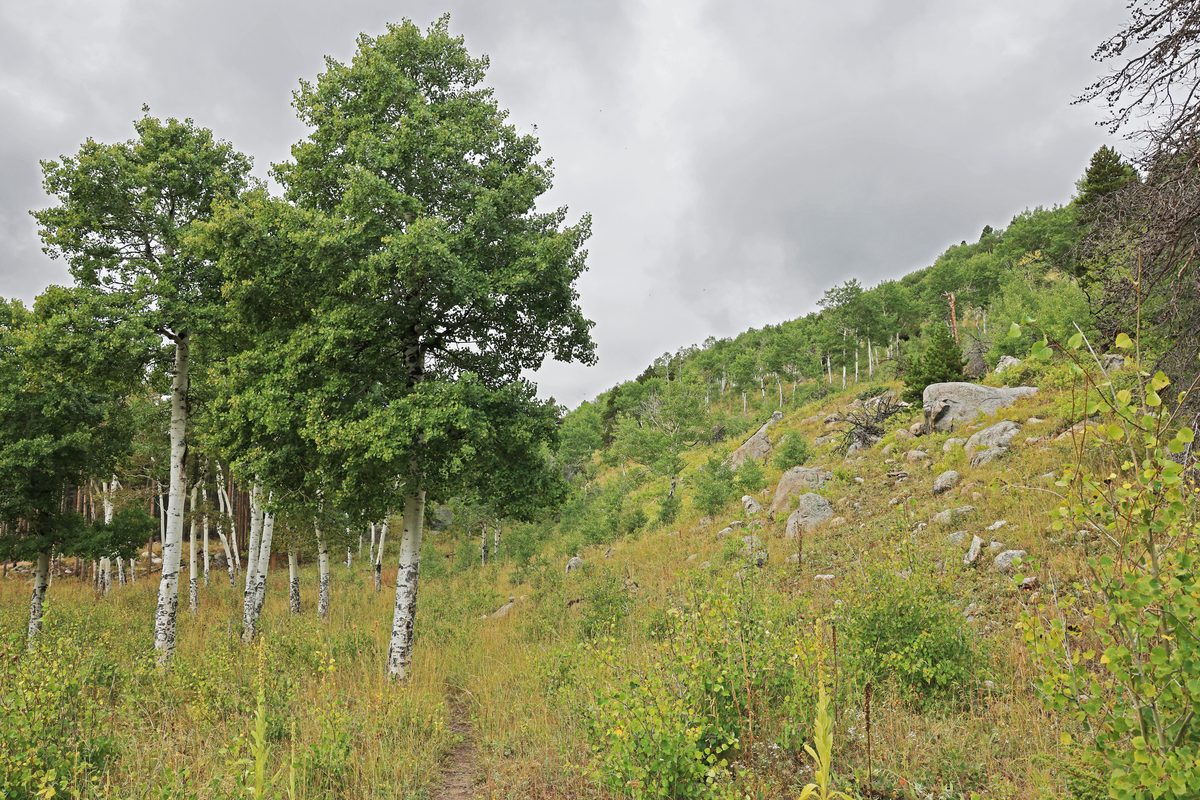
In spring and summer, the leaves of most plants look green because they produce chlorophyll, the pigment that supports photosynthesis, the process plants use to turn sunlight into sugars for food.[1] In autumn, the leaves of aspens and many other plants shift from green to shades of gold, orange, red, purple and brown.[1]
Why the green fades
As summer turns to fall, shorter days and cooler temperatures signal deciduous plants to slow chlorophyll production in preparation for winter.[1] The USDA adds that chlorophyll is replaced all summer but also breaks down over time, so when photosynthesis slows in autumn, less of it is replaced.[2] Once chlorophyll production ends and before the leaves fall, pigments that were already in the leaves take over.[1]
Yellow, gold and orange were there all along
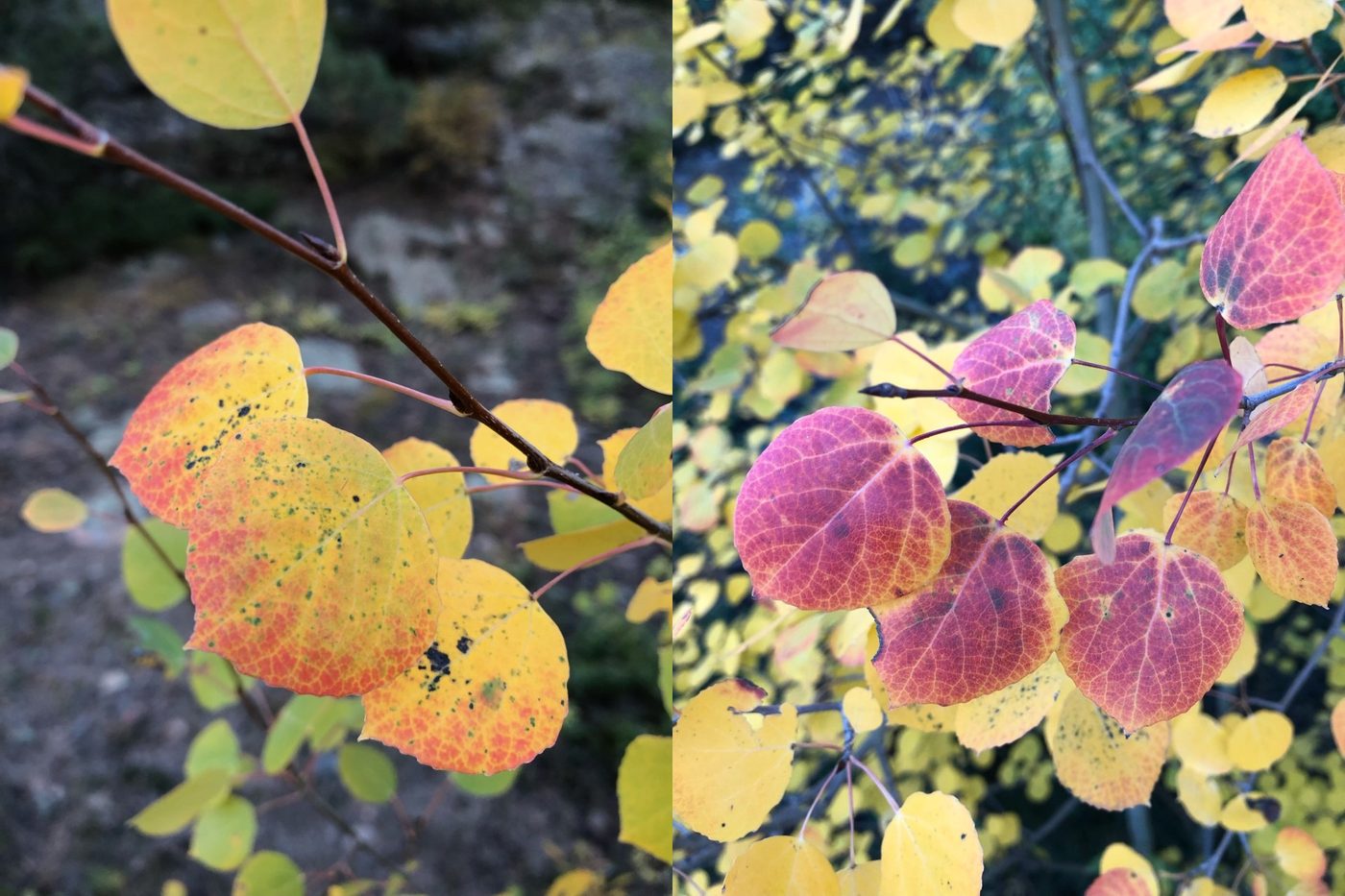
Leaves that contain carotenoids turn yellow, gold and orange.[1] The USDA explains that carotenoids are present in leaves throughout the growing season. When the first frost sharply speeds up the breakdown of chlorophyll, they are "unmasked" and become the dominant color in many tree species.[2]
Red and purple are made in autumn
Some leaves also contain anthocyanins, which can turn shades of red and purple.[1] The USDA says anthocyanins develop in late summer and fall and are "largely a response to external stress," such as the first frost.[2] The more anthocyanin a leaf has, the brighter the red, and the exact shade depends partly on the leaf's acidity and mineral content.[2] Red and sugar maples, common in northern landscapes, make these pigments.[2]
Why no two autumns look alike
The National Park Service says elevation, the amount of direct sunlight, soil moisture and temperature all influence sugar concentrations in leaves. Those concentrations help determine the color of the pigments and how bright they are.[1] The USDA says the mix of colors depends on the timing and strength of cues such as frost and on the mix of tree species, which produces the patchwork of green, yellow and red seen across a landscape.[2]
The National Park Service page is written for Rocky Mountain National Park and uses aspens as its example. The USDA article dates from 2015. Neither source says that one weather pattern guarantees a brilliant season. Photographs credited to NPS are U.S. government works that the National Park Service disclaimer describes as generally in the public domain.[3]
Sources3tap to view
- National Park Service, Rocky Mountain National Park. Learn About Fall Colors. Last updated September 22, 2026. Accessed October 23, 2026.
- U.S. Department of Agriculture. The Biology of Fall Leaves: It's all about Chemistry. October 20, 2015. Accessed October 23, 2026.
- National Park Service. Disclaimer. Last updated March 5, 2025. Accessed October 23, 2026.