Why Antibiotics Don't Work on Colds and the Flu
- The CDC states that antibiotics do not work on viruses, including those that cause colds and flu.
- Antibiotics can cause side effects, some of them serious.
- Misuse and overuse of antimicrobials drive the spread of drug-resistant infections, according to the WHO.
General information only, not medical advice. Talk to a doctor or pharmacist about your own health.
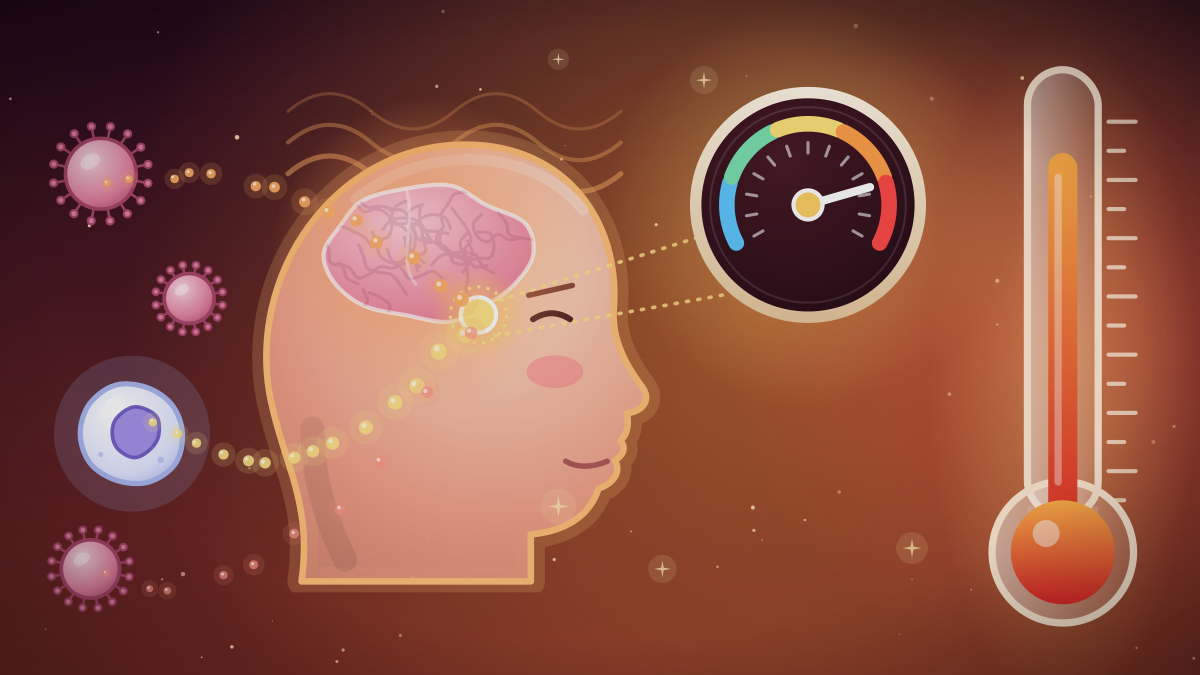
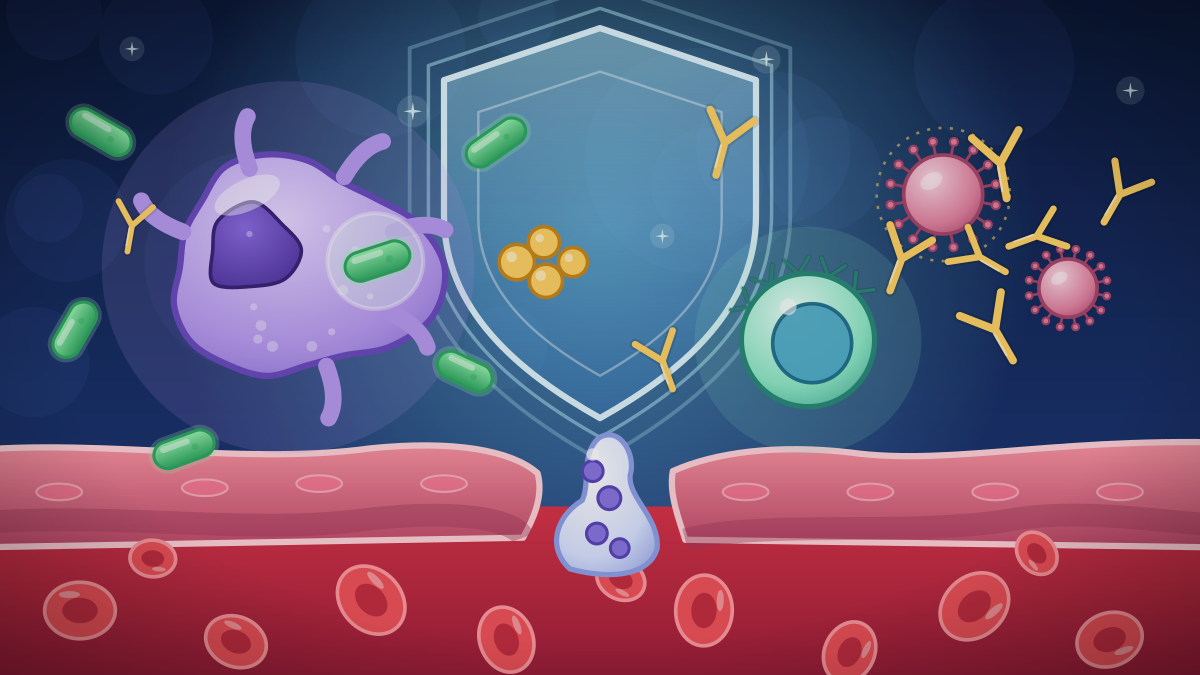
Antibiotics are medicines that act on bacteria. The U.S. Centers for Disease Control and Prevention (CDC) states plainly: "Antibiotics DO NOT work on viruses."[1] Colds are viral illnesses: the CDC notes that more than 200 respiratory viruses can cause them, with rhinoviruses the most frequent cause in the United States.[3] The CDC describes flu as a contagious respiratory illness caused by influenza viruses.[4] It also states that antibiotics will not make a person feel better if the cause is a virus.[1]
Mucus color is not a signal
The CDC specifies that colds and runny noses do not call for antibiotics even if the mucus is thick, yellow or green.[1]
Side effects
Antibiotics are not harmless when taken unnecessarily. The CDC lists rash, dizziness, nausea, diarrhea and yeast infections among common side effects, and C. diff infection and severe allergic reactions among more serious ones.[1] It also reports that, in children, antibiotic side effects are the most common cause of medication-related emergency department visits.[1]
Antimicrobial resistance
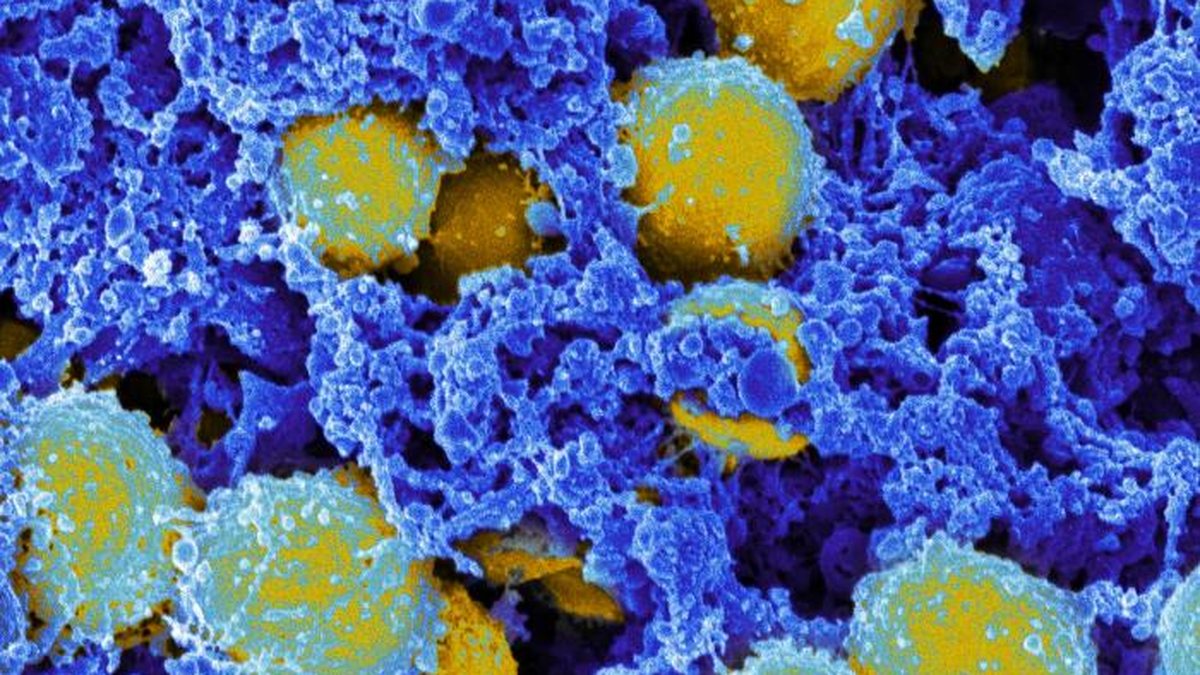
The World Health Organization (WHO) defines antimicrobial resistance as occurring when bacteria, viruses, fungi and parasites no longer respond to antimicrobial medicines, making infections harder or impossible to treat.[2] It states that the misuse and overuse of antimicrobials are driving the development and spread of drug-resistant pathogens.[2] Bacterial resistance was associated with more than 4.7 million deaths worldwide in 2021, and about one in six laboratory-confirmed bacterial infections was resistant to treatment in 2023.[2]
What this means in practice
Antibiotics remain essential for bacterial infections. The decision about whether one is needed belongs to a doctor or other qualified clinician.
Further sources
The UK National Health Service (NHS) likewise states that antibiotics treat or prevent some types of bacterial infection by killing bacteria or preventing their spread, and that they do not work for viral infections such as colds and flu.[5] The CDC explains that antimicrobial resistance happens when germs such as bacteria and fungi develop the ability to defeat the drugs designed to kill them, and it clarifies that this does not mean the human body itself is resistant to antibiotics.[6] It reports more than 2.8 million antimicrobial-resistant infections each year in the United States, with more than 35,000 deaths.[6]
References
- U.S. Centers for Disease Control and Prevention. Healthy Habits: Antibiotic Do's and Don'ts. Last reviewed September 23, 2025. Accessed October 5, 2026.
- World Health Organization. Antimicrobial resistance (fact sheet). Updated July 16, 2026. Accessed October 5, 2026.
- U.S. Centers for Disease Control and Prevention. About Common Cold. February 19, 2026. Accessed October 5, 2026.
- U.S. Centers for Disease Control and Prevention. About Influenza. February 26, 2026. Accessed October 5, 2026.
- NHS (UK). Antibiotics. Last reviewed 11 November 2022. Accessed October 5, 2026.
- U.S. Centers for Disease Control and Prevention. About Antimicrobial Resistance. Last reviewed January 31, 2025. Accessed October 5, 2026.