
Lifestyle, Holistic Health and Disease as an Imbalance of Homeostasis
How diet, activity, sleep, tobacco, salt, alcohol, drugs and vaccination affect homeostasis, a holistic view of health and disease as imbalance.
🎯 By the end of this lesson
- Explain disease as an imbalance of homeostasis, using at least two examples.
- State the WHO recommendations for sugar, fat, salt, fruit and vegetables and for physical activity.
- Explain how salt intake and high blood pressure affect the heart and kidneys.
- Describe the effects of sleep, tobacco and alcohol on body systems.
- Describe how drugs affect the nervous system and lead to dependence.
- Explain how vaccines work and what community immunity means.
- Describe how HIV affects the immune system and how treatment helps.
- Describe a holistic view of wellness and relate it to the interdependence of body systems.
1Overview
The earlier lessons describe how each organ system works. Health, however, is the outcome of everyday choices that act on those systems over decades. This lesson applies the course's big ideas to lifestyle: how diet, activity, sleep, tobacco, salt, alcohol, other drugs and vaccination influence homeostasis, why a holistic approach to health is useful, and how disease can be understood as an imbalance of homeostasis. The figures quoted are taken from public health agencies, so they can be checked at the sources listed.
2Health, disease and homeostasis
Throughout the course, variables such as body temperature, blood glucose, blood pressure and pH are held within narrow ranges by negative feedback loops (Lesson 3). Disease can be viewed as a state in which this regulation has been overwhelmed or has failed. A cause may be external (a pathogen, a toxin, a poor diet), internal (a gene variant, an autoimmune attack) or a mixture. The same logic shows why many diseases are managed by restoring balance: insulin returns blood glucose to the normal range (Lesson 7), antihypertensive drugs lower blood pressure (Lesson 12), and antiretroviral drugs restore control of a virus.
The second big idea of the course, that gene expression is influenced by the environment, applies directly. A person may inherit a susceptibility but whether it becomes disease depends on exposure and behaviour. Type 2 diabetes, hypertension and many cancers show this pattern. The third idea, interrelatedness, means that an imbalance in one system rarely stays there, as chronic high blood pressure damages the kidneys, heart and brain.
Health is not just the absence of disease. It is the ability of regulation to cope with ordinary stress. Lifestyle choices raise or lower the load on those control systems, and they can often be changed.
3Diet and physical activity
Food provides the molecules of Lesson 1 and the energy of Lesson 2, and a healthy diet protects against several non-communicable diseases. The World Health Organization (WHO) recommends that adults eat at least 400 g of fruit and vegetables a day, limit free sugars to under 10% of total energy intake, limit saturated fat to under 10% and trans fat to under 1% of energy, and keep salt below 5 g per day. Unsaturated fats are preferred to saturated and trans fats, and wholegrains, legumes and nuts add fibre (Lesson 11).
Salt and blood pressure
Sodium is essential, but excess intake raises blood volume (Lesson 12), and persistent high blood pressure strains the heart and damages vessels and kidneys. The Centers for Disease Control and Prevention (CDC) counts blood pressure of 130/80 mm Hg or higher as high. Because most dietary salt comes from processed foods, reading nutrition labels helps to control intake.
Physical activity
The WHO recommends that adults do at least 150 minutes of moderate-intensity activity a week, but about 31% of adults worldwide are insufficiently active. Exercise strengthens the heart and bones, improves insulin sensitivity, raises the capacity of the lungs and mitochondria and improves mood and sleep, so it acts on almost every system studied in this course.
For an adult eating 2000 kcal a day, 10% of energy from free sugars is 200 kcal. Since sugar provides about 4 kcal per gram, the limit is 200 / 4 = 50 g, or about 12 teaspoons. A single 355 mL can of a sweetened soft drink often contains about 35 to 40 g, so one drink can account for most of the daily allowance.
4Sleep, tobacco, alcohol and other drugs
Sleep
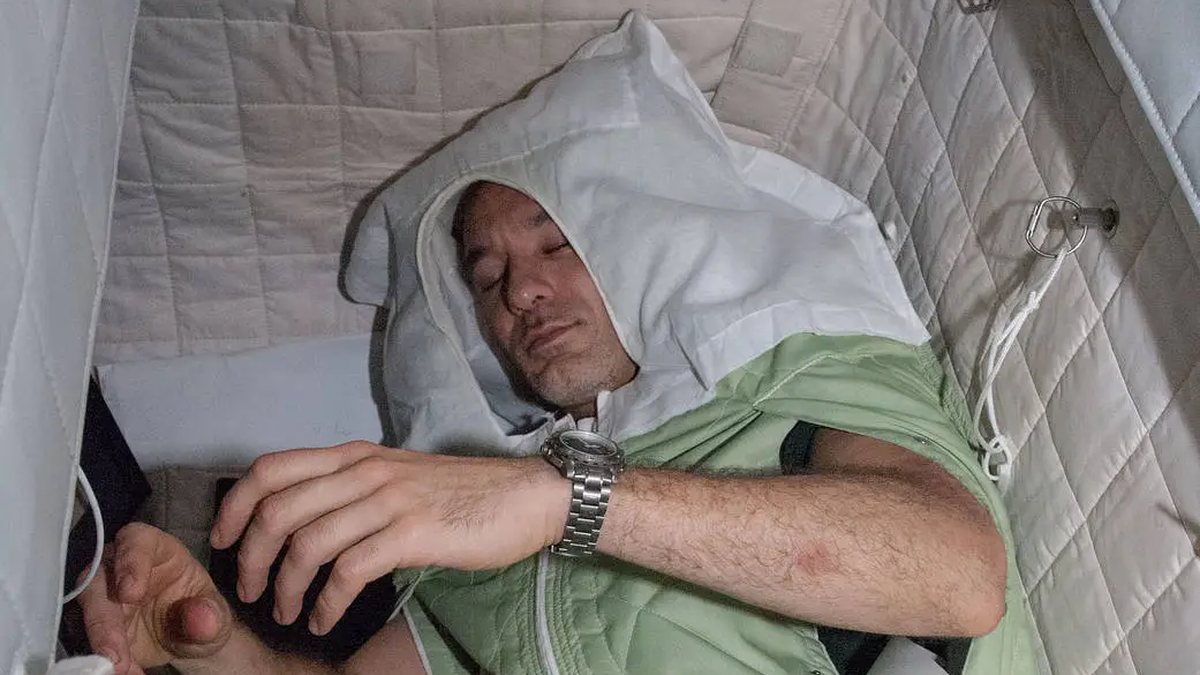
Sleep is an active state in which the brain and body restore themselves (see the related article on sleep). The CDC recommends 8 to 10 hours of sleep for teenagers and at least 7 hours for adults. Short sleep is linked with higher risks of obesity, high blood pressure, diabetes and depression, and it impairs attention and learning (Lesson 6). Regular sleep schedules and reduced screen use before bed help.
Tobacco and vaping
Smoke contains thousands of chemicals, including nicotine, which is addictive, and carcinogens. Smoking damages airway cilia and alveoli (Lesson 10), causing chronic bronchitis and emphysema, narrows arteries and raises blood pressure (Lesson 8), and causes cancer in many organs. The CDC attributes more than 480,000 deaths a year in the United States to cigarette smoking. Quitting lowers the risk quickly and benefits at any age.
Alcohol
Alcohol is a depressant that acts on the nervous system and is metabolized by the liver. It suppresses ADH release (Lesson 12), so urine output increases and dehydration follows. The WHO states that no level of alcohol consumption is risk-free for health, and an estimated 2.6 million deaths worldwide in 2019 were attributable to alcohol. Heavy use is linked with liver disease, cancers, heart disease, injury and mental illness, and drinking during pregnancy can harm the fetus (Lesson 13).
Other drugs
Psychoactive drugs alter neurotransmission in synapses (Lesson 6). Many drugs of abuse act on the brain's reward circuit, increasing dopamine signalling, so repeated use can lead to tolerance and dependence, in which the brain adapts and the drug is needed to feel normal. Stimulants raise heart rate and blood pressure, opioids depress breathing, and inhaled drugs damage the lungs. Treatment of dependence is a health matter, and harm reduction and support services help people reduce risk.
Vaping or other forms of nicotine delivery are harmless because they are not cigarettes. Nicotine in any form is addictive and affects the developing adolescent brain and the cardiovascular system. A product can be less harmful than smoking and still not be safe.
5Vaccination and infectious disease
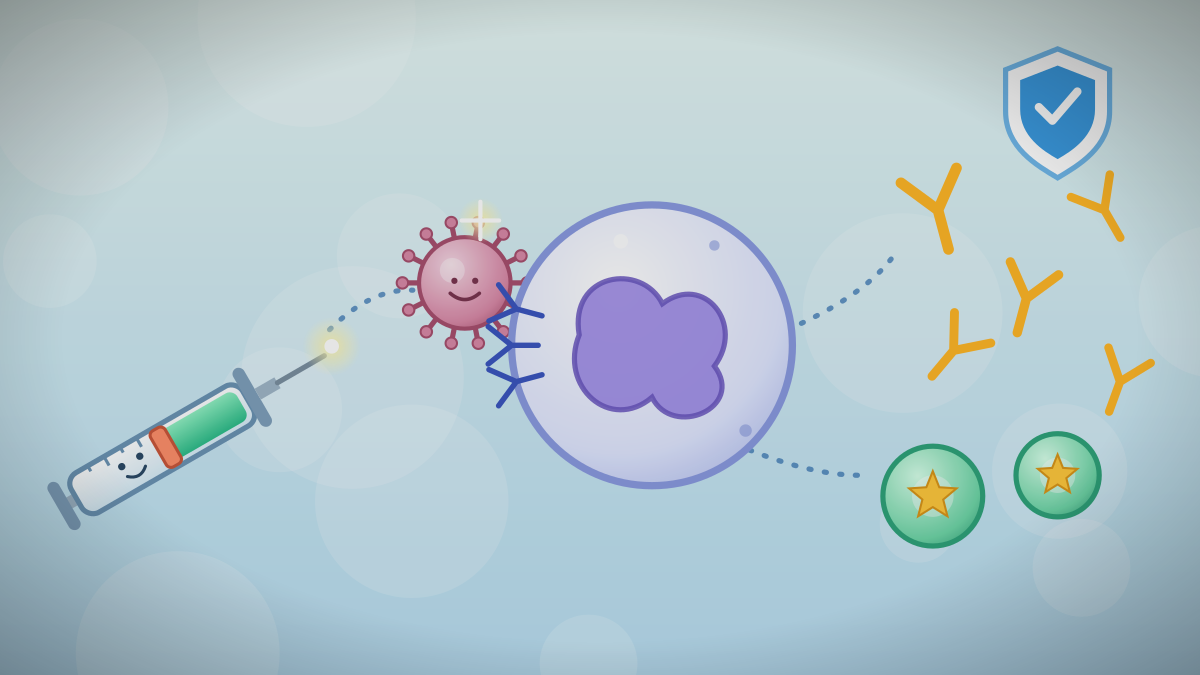
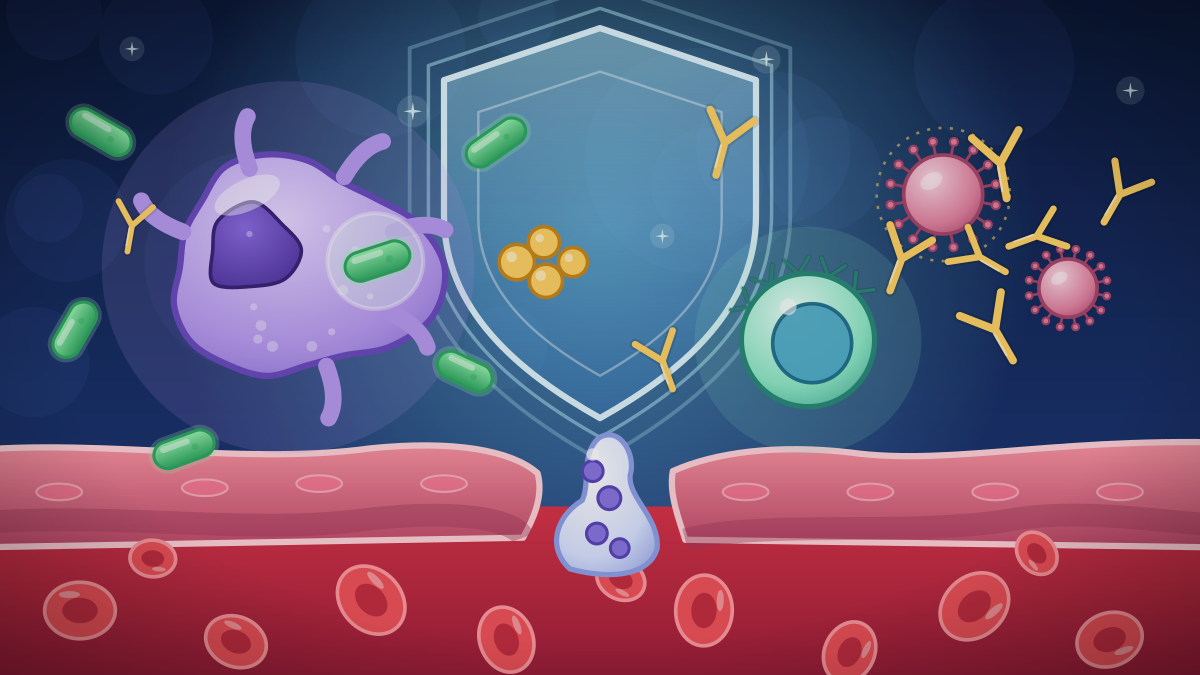
A vaccine safely presents an antigen, so that the adaptive immune system forms antibodies and long-lived memory cells without causing the disease (Lesson 9; see the related article on vaccines). If the person later meets the real pathogen, the response is fast and strong. Because immunized people are less likely to catch and spread an infection, high vaccination coverage also protects those who cannot be vaccinated, an effect called herd (community) immunity. Routine immunization prevents diseases such as measles and polio.
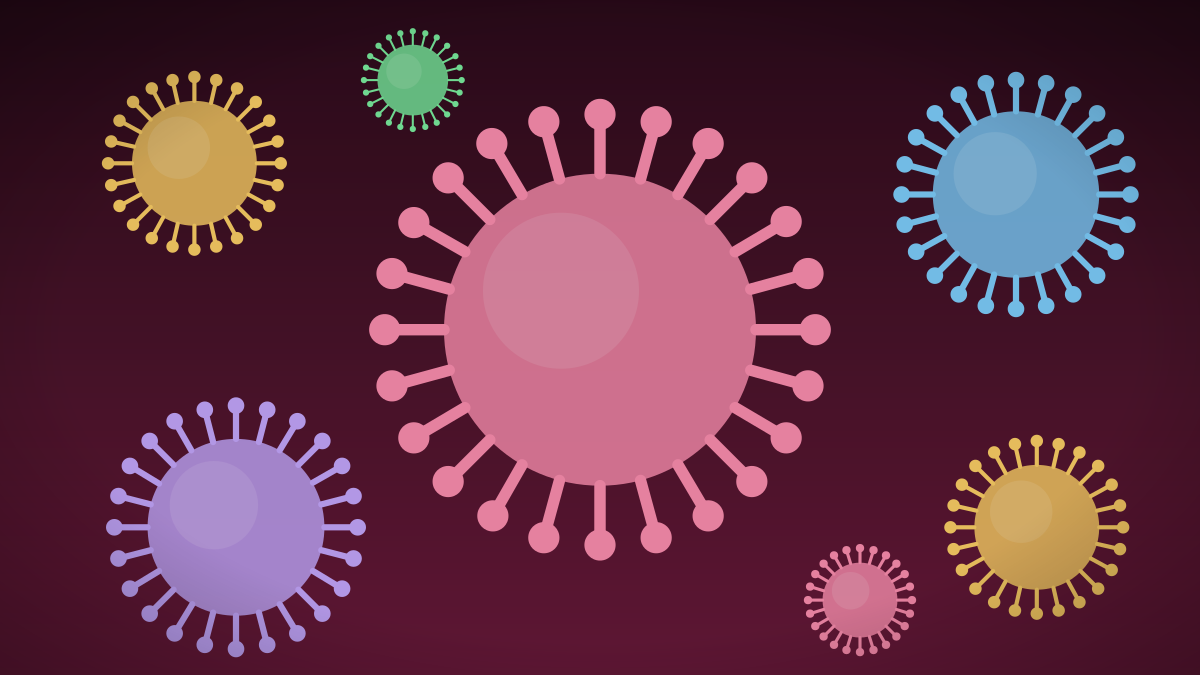
Not all diseases can be prevented by vaccination. HIV, the human immunodeficiency virus, infects and destroys helper T cells, which weakens the immune system. Without treatment it can progress to AIDS, in which opportunistic infections and cancers occur. HIV spreads through certain body fluids, mainly during sex without a condom, through shared needles and from mother to child. There is no cure and no vaccine, but antiretroviral therapy suppresses the virus, allows people to live long lives and greatly reduces the chance of transmission. It illustrates how an infection imbalances the immune system.
6Case studies of homeostatic imbalance
Diabetes mellitus
In diabetes, the feedback loop that holds blood glucose near its set point fails (Lesson 7). In type 1 diabetes, the immune system destroys the insulin-producing beta cells of the pancreas, so no insulin is made and it must be supplied by injection or pump. In type 2 diabetes, cells respond poorly to insulin and the pancreas may eventually be unable to compensate. Extra weight, low activity and a diet high in free sugars raise the risk, though inherited variants also matter. Persistently high glucose damages small blood vessels in the eyes, kidneys and nerves and, as Lesson 12 showed, glucose spills into the urine when the transport maximum is exceeded.
Hypertension
High blood pressure, defined by the CDC as consistently at or above 130/80 mm Hg, often has no symptoms. It forces the heart to work harder and thickens artery walls, which increases the risk of heart attack, stroke and kidney failure. Several lifestyle factors contribute: salt intake, excess weight, inactivity, heavy alcohol use and tobacco. Management therefore combines changes in diet and activity with drugs that act on the kidney, heart or blood vessels, including those that interrupt the renin-angiotensin pathway (Lesson 12).
Linking genes and environment
Lesson 5 described personal genomics, in which a person's DNA can be screened for variants linked with disease. Most common conditions, such as type 2 diabetes and heart disease, are influenced by many genes and by the environment, so a genetic risk score is a probability, not a diagnosis. Lifestyle changes can lower risk even for a person who carries risk variants, which is why gene expression and environment are treated together in the course.
Sleep, diet and activity can be compared by their effect on one variable, blood pressure. Too little sleep keeps the sympathetic nervous system active, a high-salt diet increases blood volume, and inactivity weakens the heart and stiffens vessels. Each acts on a different part of the control loop, but all push pressure above the set point, which explains why combined changes often work better than any one alone.
7Holistic approach to health
A holistic approach treats a person as a whole rather than as a collection of organs. Many Indigenous perspectives on health take this view. The First Nations Health Authority in British Columbia describes wellness as the interconnection of mental, emotional, physical and spiritual wellbeing, and links it to connection with family, community, culture and the land. This matches the science of the course: stress (an emotional state) raises cortisol and blood pressure (Lesson 7), and social isolation and poor sleep affect immune function, so the apparently separate parts of health do interact.
A practical way to apply this knowledge is to ask four questions about any choice: What does it do to the regulated variables of the body? Which systems does it affect? Is its effect immediate or long-term? Is it a personal, social or environmental factor? Public health measures such as clean water, tobacco taxes, food labelling and vaccination programmes act on populations, whereas personal choices act on individuals, and good health depends on both.
Stress and mental health
Stress is a normal part of life, and short-term stress activates the sympathetic nervous system and the adrenal glands, releasing adrenaline and cortisol (Lessons 6 and 7), which is useful for a brief emergency. Chronic stress keeps these hormones high, raising blood pressure and blood glucose and suppressing parts of the immune response. Mental health conditions such as depression and anxiety are health conditions in their own right, linked with changes in neurotransmitter signalling, and they affect sleep, appetite and activity. Social connection, regular exercise, enough sleep and professional support all help, and seeking help early is as sensible as treating a physical injury.
Cultural and community dimensions
Wellness is also shaped by culture, community and environment. Access to clean water, safe housing, nutritious food and health services differs between communities and strongly affects outcomes, so health cannot be explained by individual choices alone, and public policy matters as well. A holistic approach therefore includes the conditions in which people live as well as their behaviour.
Evaluating health claims uses the skills of the course: find the source, check whether the number is compared with a baseline, and ask whether a correlation has been shown to be a cause. Health agencies such as the WHO and the CDC, and peer-reviewed journals, are more reliable than testimonials or social media.
8Putting it together
Reproductive health choices also belong to this picture. Contraception and fertility treatments (Lesson 13) are examples of medical interventions that act on hormonal feedback loops, and informed decisions require an understanding of how the cycle works, what each method changes and which methods protect against infection.
Consider a teenager who sleeps 5 hours a night, drinks sweetened beverages, rarely exercises and is stressed by exams. Sleep loss and stress raise cortisol, and frequent sugary drinks and a lack of activity strain insulin regulation. Over years, these small shifts increase the risk of type 2 diabetes and high blood pressure, but each one can be changed. Conversely, regular activity, enough sleep, a balanced diet and strong social ties help the body's feedback systems to keep working within range. The central message of the course is that the body's organ systems are structurally and functionally interdependent, and that the choices made each day determine how well they maintain homeostasis.
🔑Key terms
?Quick check
Try each question first, then reveal the answer.
1. Explain how type 2 diabetes can be described as an imbalance of homeostasis.
Blood glucose is normally held in range by insulin and glucagon feedback. In type 2 diabetes cells respond poorly to insulin, so the feedback cannot restore normal glucose levels.
2. Calculate the daily free sugar limit in grams for a 2500 kcal diet using the 10% WHO guideline (4 kcal per gram).
10% of 2500 kcal is 250 kcal; 250 / 4 is about 62 g.
3. Why does high salt intake raise blood pressure?
Sodium holds water, so excess salt raises blood volume, which increases pressure on the vessel walls.
4. Name three systems damaged by smoking and one way each is harmed.
Respiratory (damaged cilia and alveoli causing bronchitis and emphysema), cardiovascular (narrowed arteries and higher blood pressure) and the body generally through cancer.
5. Why does alcohol increase urine output?
Alcohol suppresses ADH release, so collecting ducts reabsorb less water and urine volume rises.
6. Describe how a vaccine produces protection without causing disease.
It presents an antigen safely so that B and T cells form antibodies and memory cells, and later exposure triggers a fast response.
7. What does community immunity mean and why does it matter?
When a high proportion of people are immune, the pathogen spreads poorly, so those who cannot be vaccinated are also protected.
8. Describe how the holistic wellness view fits with the interdependence of organ systems.
Mental, emotional, physical and spiritual wellbeing are connected, just as organ systems influence each other, for example stress hormones raising blood pressure.
BC curriculum content covered in this lesson
- Lifestyle and health: diet, exercise, sleep, smoking, salt, alcohol, drugs, vaccinations
- Holistic approach to health
- Disease as an imbalance of homeostasis
Related articles
Training the Immune System: How Vaccines Work
Vaccines let the immune system practice against a germ without a real infection. Health agencies describe the antigen, the antibodies and the memory that results.
Why Sleep Is Not Downtime: What the Brain and Body Do After Dark
Sleep is an active state in which the brain, heart, hormones and immune system all shift gears. US health agencies also publish recommended hours by age, and their figures differ slightly.
How Does the Immune System Work?
The immune system has a fast, general innate layer and a slower, specific adaptive layer with memory. Barriers, white blood cells, antibodies, organs and what happens when it misfires.
What Are Viruses, and How Do They Differ From Bacteria and Cells?
Viruses are tiny packages of genetic material that cannot run their own metabolism and must hijack host cells to reproduce. Reference texts explain how that sets them apart from bacteria.
References
- World Health Organization. Healthy diet fact sheet. Accessed October 7, 2026.
- World Health Organization. Physical activity fact sheet. Accessed October 7, 2026.
- World Health Organization. Alcohol fact sheet. Accessed October 7, 2026.
- Centers for Disease Control and Prevention. About sleep. Accessed October 7, 2026.
- Centers for Disease Control and Prevention. About tobacco. Accessed October 7, 2026.
- Centers for Disease Control and Prevention. About high blood pressure. Accessed October 7, 2026.
- Centers for Disease Control and Prevention. About HIV. Accessed October 7, 2026.
- First Nations Health Authority. First Nations perspective on wellness. Accessed October 7, 2026.
- BC Ministry of Education and Child Care. Anatomy and Physiology 12 (curriculum). Accessed October 7, 2026.
These lessons follow the content areas listed in the British Columbia curriculum. They are study material written for this site and are not an official document. The official curriculum is the authority on what each course requires. Lessons are general education, not medical advice.